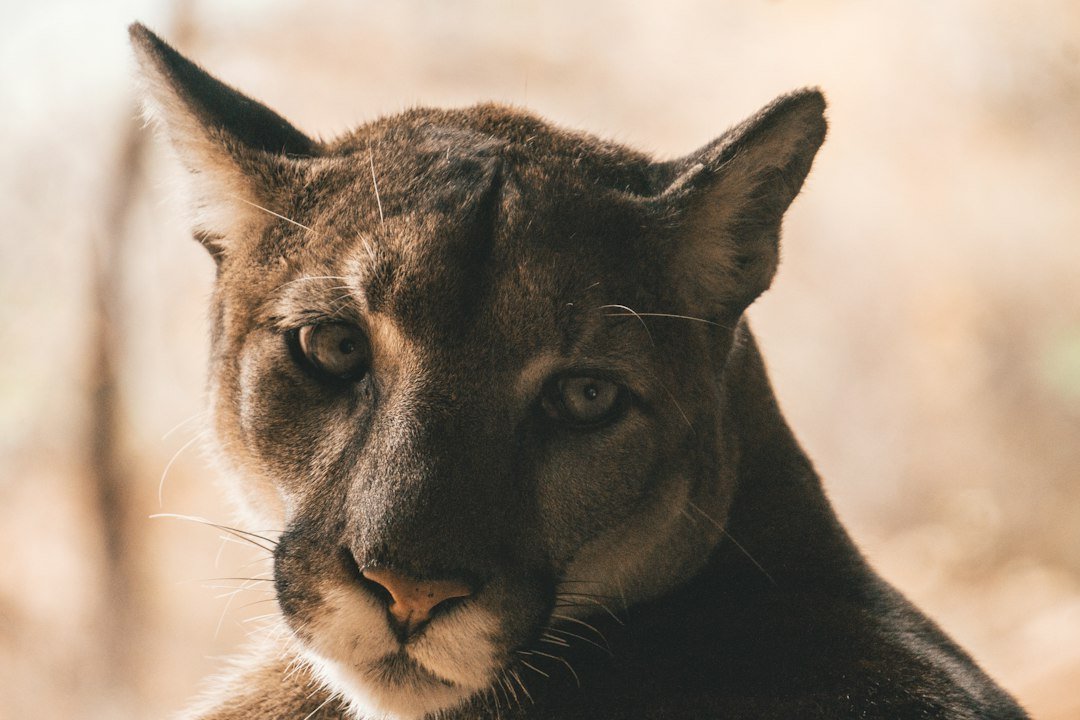
Mountain lion attacks on livestock have surged 40% across the Western states in the past three years, according to USDA Wildlife Services data, yet state wildlife agencies face mounting pressure from conservation groups to expand protections for the big cats. The result is a deepening standoff between ranchers who’ve lost calves and sheep to predation and wildlife advocates who argue cougar populations remain below historic levels.
In Colorado alone, ranchers reported 127 confirmed livestock kills by mountain lions in 2025, up from 91 in 2023. Meanwhile, California’s near-total ban on cougar hunting—in place since 1990—has created what some biologists estimate is a population of 6,000 to 8,000 lions, though the state refuses to conduct a formal count. Oregon and Washington have restricted hound hunting for cougars, the most effective population management tool, even as rural communities report more frequent encounters near homes and schools.
Conservation Groups Push for Federal ESA Review
Six environmental organizations petitioned the U.S. Fish and Wildlife Service in September to consider Endangered Species Act protections for mountain lions in the Eastern United States, where small populations persist in Florida and isolated sightings occur in Appalachia. If successful, the listing could trigger habitat designations affecting millions of acres of private forestland and restrict lethal removal even when lions threaten livestock or people.
Wildlife advocates point to historic range loss—cougars once roamed the entire continent—and argue that Western populations face fragmentation from development. They note that trophy hunting and government culling programs killed an estimated 29,000 mountain lions across the West over the past decade.
Ranchers Say Management Authority Being Stripped Away
Rural landowners counter that lion populations have rebounded dramatically since the 1960s and that state wildlife agencies—funded largely by hunting license sales—should retain management authority without federal intervention. In Montana, where hunters can still pursue cougars with hounds, ranchers work with wildlife officials to remove problem animals quickly. But in states with hunting restrictions, ranchers say they’re left defenseless when a lion develops a pattern of killing livestock.
The New Mexico Cattle Growers’ Association estimates members lost $2.3 million to predation in 2025, with mountain lions accounting for nearly a third of confirmed kills. Compensation programs reimburse market value but don’t cover veterinary costs, time spent protecting herds, or emotional toll.
What’s at Stake for Rural Communities
At the core of this dispute is whether federal wildlife policy should prioritize species restoration across historic ranges or defer to state management that balances conservation with rural livelihoods. For ranching families, the question is simpler: who decides what level of predation is acceptable on private land—Washington bureaucrats or the people who actually live with mountain lions in their backyards?
Key Points
- Mountain lion livestock kills up 40% across Western states in three years
- Conservation groups petition for ESA review that could restrict state management authority
- Hunting bans in California and restrictions elsewhere leave ranchers with limited predator control options
Aporia News – October 16, 2026