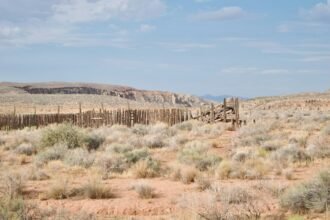

The Klamath Basin sits at the flashpoint of Western water wars — 200,000 acres of Oregon farmland that could produce another billion dollars in crops if federal regulators would just turn the irrigation pumps back on. Instead, water gets diverted to keep threatened coho salmon swimming, while fourth-generation farmers watch their fields turn to dust and their property values collapse.
It’s the same battle playing out across eleven Western states, from Montana’s Yellowstone River to California’s Central Valley. Federal endangered species protections for fish — salmon, steelhead, cui-ui, delta smelt — now routinely trump water rights that ranchers and farmers have held for over a century. The Biological Opinion becomes more powerful than the deed to your land.
When Fish Take Priority Over Food Production
The conservation argument holds that these fish populations face extinction without immediate water allocations. Wild salmon runs that once numbered in the millions now struggle to reach five figures. Warming rivers, dams, and agricultural diversions have pushed dozens of species toward the brink. Federal agencies argue they have no choice — the Endangered Species Act requires protecting critical habitat even when it conflicts with water rights.
Environmentalists point to the success stories. Where water has been restored to rivers, some salmon populations have rebounded. They argue that healthy rivers ultimately support healthy rural economies through fishing, tourism, and ecosystem services worth more than marginal farmland.
The Cost to Rural Communities and Property Rights
Farmers counter that their water rights predate the ESA by generations. Senior water rights holders in places like the Klamath have legal claims going back to 1905. They’ve built entire communities, economies, and family legacies around those rights. When federal regulators shut off irrigation to protect fish, they’re not just stopping farming — they’re destroying rural towns, bankrupting families, and rendering private property worthless without compensation.
The economic damage is measurable. Klamath Basin farmers have lost an estimated $1.3 billion since water diversions began. Towns that once thrived now have boarded storefronts and half-empty schools. Meanwhile, agricultural water represents just 3% of total river flows in many basins — barely enough to make a difference for fish, but enough to kill farming.
What’s at Stake Beyond This Season
This isn’t really about fish versus farms. It’s about whether the federal government can simply override property rights whenever environmental regulations demand it. The precedent extends far beyond irrigation — into grazing permits, forest management, land development, and every other use of private property that might affect a listed species.
For rural Americans, the question is existential: Can you still own land in the West, or do you just lease it from federal regulators until they find an endangered species that needs it more?
Key Points
- Federal agencies divert irrigation water to protect threatened fish, leaving farmland dry
- Farmers argue their water rights predate environmental laws by generations
- The conflict raises questions about whether property rights still mean anything when endangered species are involved
Aporia News – July 02, 2026