By Rick Calloway | May 21, 2026
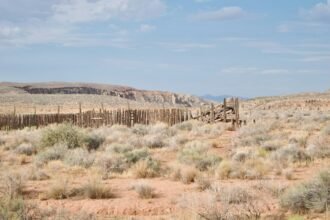
When the U.S. Fish and Wildlife Service listed the eastern spotted skunk as threatened under the Endangered Species Act last month, fifth-generation rancher Tom Hollister discovered he could no longer legally control predators on 300 acres of his own land in southern Missouri—property his family has managed since 1891.
“I’ve got chicken houses, I’ve got grandkids who play in those woods, and now I’m told I can’t shoot a varmint on my own property because somebody in Washington decided a skunk I’ve never even seen might be there,” Hollister says. The listing prohibits “take” of the species, which federal regulations interpret as any action that might harm, harass, or kill the animal—even incidentally during predator control.
Conservation biologists counter that eastern spotted skunk populations have declined 90% since the 1940s, making federal protection essential. “Without ESA protections, we’re looking at functional extinction within two decades,” says Dr. Maria Chen of the Wildlife Conservation Alliance. “Private lands hold the last viable habitat for this species.”
But the restrictions extend beyond predator control. Hollister and 47 other landowners in the newly designated critical habitat zone face limits on prescribed burns they’ve used for decades to manage forest understory, restrictions on timber harvests that provide supplemental income, and potential liability if ranch operations inadvertently affect the species.
The conflict highlights a fundamental tension in the ESA: the law makes no distinction between public and private land when protecting listed species. For rural landowners, this means federal wildlife management can override property rights without compensation.
“We’re not against conservation,” says Jennifer Mathis of the Missouri Farm Bureau. “But when a listing can restrict what you do with land you’ve paid taxes on for generations, without any say in the decision and no payment for your losses, that’s not conservation—that’s confiscation.”
The Fish and Wildlife Service offers habitat conservation plans that can allow some restricted activities to continue, but the plans require costly environmental assessments and can take years to approve. For small landowners, that’s often financially impossible.
As more species face listing—twelve are under consideration in the Midwest alone—the debate over balancing species protection with property rights intensifies. What’s at stake is whether rural Americans can continue traditional land management practices, or whether endangered species recovery will increasingly mean federal control over private property decisions.
Key Points
- Eastern spotted skunk listing prohibits landowners from controlling predators on their own property in designated habitat zones
- ESA makes no distinction between public and private land, allowing federal restrictions without compensating property owners
- Habitat conservation plans exist but require expensive assessments rural landowners often can’t afford
Aporia News – May 21, 2026