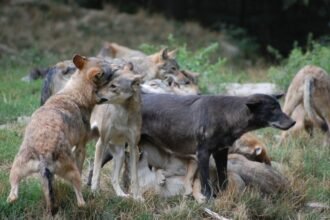

When Colorado reintroduced wolves in 2023, state officials promised ranchers would be “made whole” for livestock losses. Three years later, the compensation fund is nearly bankrupt, claim payments are months behind, and ranchers say the program has become a bureaucratic nightmare that doesn’t come close to covering their actual losses.
The dispute highlights a fundamental problem with predator reintroduction programs nationwide: wildlife agencies tout compensation as the solution to rancher concerns, but the reality of these programs often falls far short of the promise.
The Gap Between Promised and Paid Compensation
Colorado’s wolf compensation fund started with $3 million. By June 2026, it had paid out $2.7 million for 340 confirmed livestock kills. But ranchers claim those numbers tell only part of the story. “They paid me $1,200 for a confirmed calf kill,” said Moffat County rancher Dale Hutchins. “But they won’t pay for the three calves we never found, the weight my cattle lost from stress, or the $8,000 I spent on extra fencing and guard dogs.”
The compensation rules require photo evidence and state verification within 24 hours—often impossible in remote country. Partial consumption or scavenging by other animals can disqualify claims. And “indirect losses” like reduced pregnancy rates, disrupted grazing patterns, and prevention costs aren’t covered.
Why Wildlife Advocates Support Reintroduction
Conservation groups argue predators are essential to ecosystem health. Wolves control elk populations, prevent overgrazing, and restore natural balance. They point out that voter-approved ballot measures in multiple states show public support for reintroduction. “We’re correcting a historical wrong,” said Wildlife Conservation Alliance director Maria Chen. “These animals were exterminated by government programs. Compensation helps landowners share the burden of restoration.”
What Ranchers Say is Really at Stake
For ranchers, the issue isn’t whether wolves have ecological value—it’s who bears the cost of that value. “City voters decided they want wolves,” said Wyoming rancher Tom Martinez. “Fine. But they’re not the ones losing livestock, spending sleepless nights, or watching their cattle scatter in panic. The compensation doesn’t cover half the real impact, and now they’re talking about cutting payments because the fund is broke.”
Similar disputes are brewing in Montana, Idaho, and Washington, where compensation programs struggle with funding shortfalls and eligibility disputes. At stake is whether predator recovery can move forward with rancher cooperation—or whether it becomes a permanent source of rural-urban conflict over who pays for conservation.
Key Points
- Colorado’s wolf compensation fund has nearly exhausted its $3 million budget after three years
- Ranchers say payments cover only confirmed kills, not missing livestock, stress impacts, or prevention costs
- Similar funding and eligibility disputes emerging in Montana, Idaho, and Washington predator programs
Aporia News – August 17, 2026