By Rick Calloway | May 26, 2026
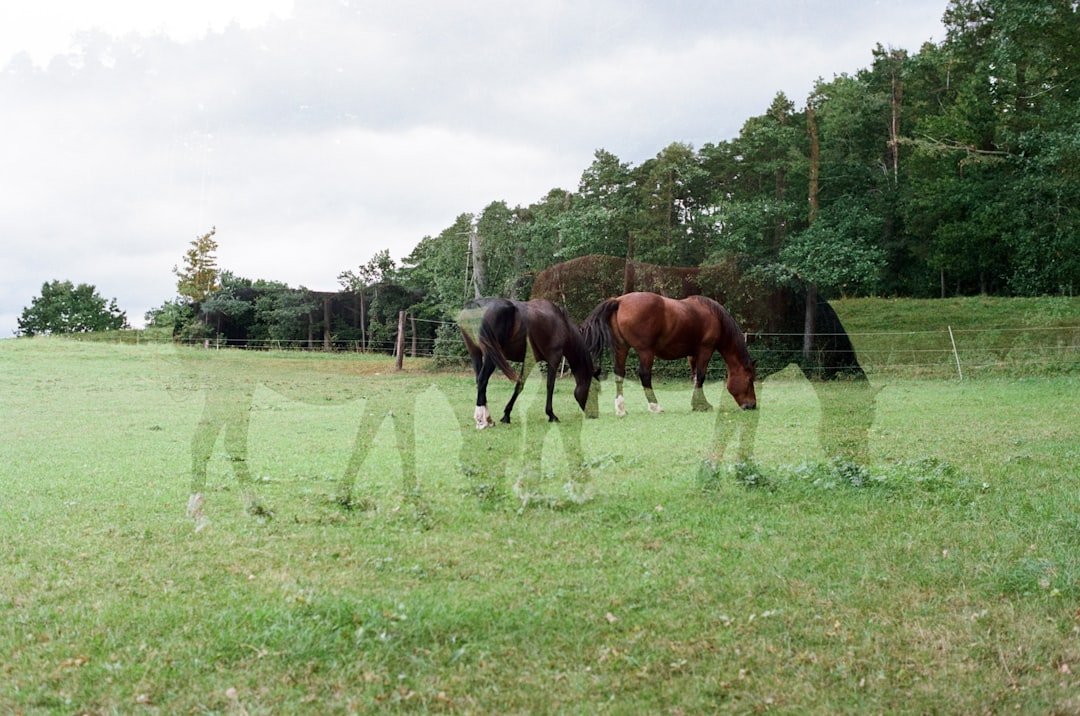
The Bureau of Land Management’s wild horse and burro population has exploded to over 95,000 animals across western rangeland—more than triple what the agency says the land can sustain. For ranchers holding federal grazing permits, it’s become an impossible equation: their permitted cattle numbers keep getting cut while protected mustangs multiply unchecked on the same grass.
The 1971 Wild Free-Roaming Horses and Burros Act protects these animals as “living symbols of the historic and pioneer spirit of the West.” Advocacy groups like the American Wild Horse Campaign argue these herds belong on public land and that BLM’s “appropriate management level” of 27,000 horses is artificially low to favor livestock interests. They point to gathered horses languishing in holding facilities and oppose aggressive population control.
Ranchers tell a different story from the ground. In Nevada’s Pancake Range, permitted grazing has been reduced 40% over five years while wild horse numbers doubled. Gary Henderson, who runs cattle on BLM allotments his grandfather homesteaded near, says the math is brutal: “One horse eats what three cows eat. They’re year-round, we’re seasonal. But we’re the ones who get cut.”
The ecological concern is real on both sides. Severe overgrazing damages watersheds, native plants, and wildlife habitat whether it comes from cattle or horses. BLM range assessments show deteriorating conditions across multiple Horse Management Areas. Biologists note that sage grouse, pronghorn antelope, and desert bighorn sheep all suffer when vegetation is hammered and water sources trampled.
Wild horse advocates counter that livestock grazing does far more damage and that blaming horses lets ranchers off the hook for decades of overuse. They argue for fertility control rather than roundups, and note that ranchers pay minimal fees—currently $1.35 per animal unit month—to graze public land that belongs to all Americans.
Ranchers respond that their grazing permits are tied to private base property, represent substantial investment, and come with strict management requirements horses don’t face. Many have already absorbed major cuts. Some question why their family operations should be eliminated to make room for feral horses that weren’t native to North America in the first place.
BLM’s own data shows fertility control can’t keep pace with reproduction rates without aggressive implementation. Roundups are expensive and politically contentious. Adoption programs find homes for only a fraction of gathered animals. Meanwhile, the population grows by 15-20% annually.
What’s clear: western rangeland can’t support current numbers of both horses and livestock. Someone’s connection to that land—whether historic grazing rights or wild horse heritage—will have to give ground.
Key Points
- BLM wild horse and burro populations have reached 95,000—more than triple the agency’s sustainable target of 27,000—while ranchers face continuous grazing cuts
- Both sides claim ecological concern: advocates say horses are unfairly blamed for livestock damage; ranchers say year-round horse grazing devastates range and wildlife habitat
- Current fertility control and adoption programs can’t keep pace with 15-20% annual population growth, leaving no clear solution that preserves both wild horse herds and family ranching operations
Aporia News – May 26, 2026