
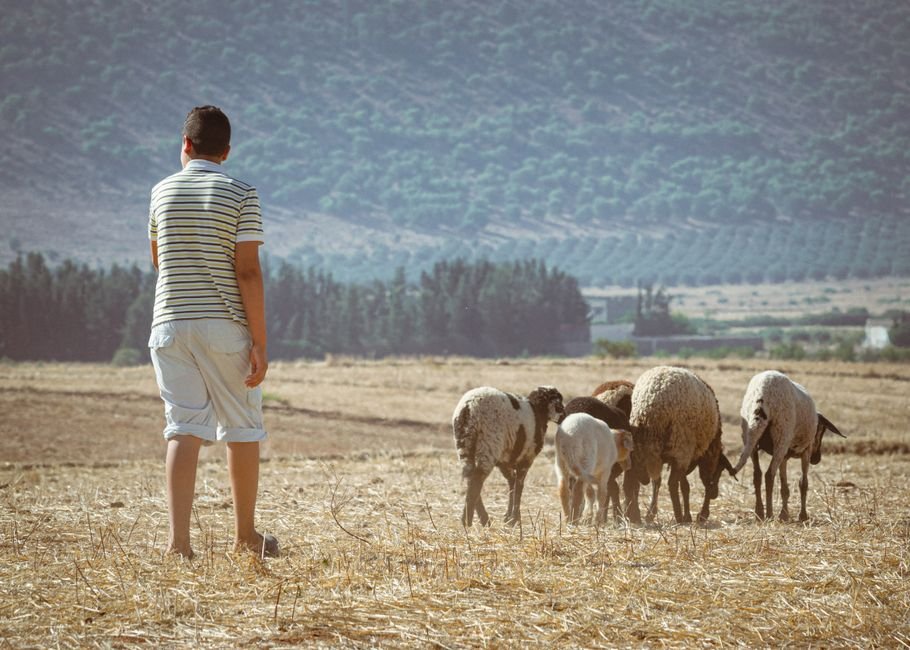
A hunter in Montana spent 17 years applying for a bighorn sheep tag—one of the most coveted draws in North American hunting. When his number finally came up, he couldn’t fill it. Not because the sheep weren’t there. Not because of weather or bad luck. He simply wasn’t in good enough shape to make the climb.
The hunter, who asked to remain anonymous, told Outdoor Life he’d let his physical conditioning slip over the years. “I thought I could gut it out,” he said. “I was wrong.” After two failed attempts to reach sheep country in Montana’s rocky high country, he watched his once-in-a-lifetime tag expire unfilled.
The Draw System Creates Winners and Losers
Bighorn sheep tags are so rare that most hunters will never draw one. Montana issues fewer than 50 resident tags annually. Some units have odds worse than 1-in-500. The reasoning is sound: bighorn populations are fragile, still recovering from disease and habitat loss that decimated herds in the early 1900s. Limited tags mean the sheep survive.
But critics say the draw system has become a lottery that rewards luck over dedication. “You can be the best sheep hunter alive and never get a chance,” said one Wyoming outfitter. “Meanwhile, someone who can’t make the hike draws the tag.” Some states are now considering physical fitness requirements or mandatory pre-hunt training—a move that’s sparked fierce debate about whether government should dictate who’s “worthy” to hunt.
When Conservation Goals Meet Hunting Reality
Wildlife managers defend the current system. Sheep populations can’t sustain higher harvest rates, they argue, and a random draw is the fairest way to allocate a scarce resource. “We manage for the health of the herd, not to guarantee anyone a trophy,” said one Montana Fish, Wildlife and Parks biologist.
But hunters counter that wasted tags hurt conservation too. An unfilled tag is a lost management tool and lost revenue that funds sheep recovery. Some Western states now allow tag transfers or require hunters to prove fitness before applying—but these rules face pushback from hunters who see them as government overreach into personal responsibility.
What’s at Stake for Hunters
The real issue isn’t whether one hunter failed. It’s whether the tag system is serving wildlife—or just creating frustration. Seventeen years is a long time to wait for a chance that disappears in a weekend. For hunters, it’s a reminder that opportunity doesn’t guarantee success. For wildlife managers, it’s proof that scarcity breeds both reverence and resentment.
Key Points
- Montana bighorn sheep tags have odds worse than 1-in-500 in some units, making them among the rarest hunting opportunities in America
- A hunter who waited 17 years to draw a tag couldn’t fill it due to poor physical conditioning, sparking debate about wasted tags and draw system fairness
- Some states now consider fitness requirements for high-demand tags, but hunters see this as government overreach into personal responsibility and hunting tradition
https://www.outdoorlife.com/hunting/bighorn-sheep-failure/ – June 29, 2026