
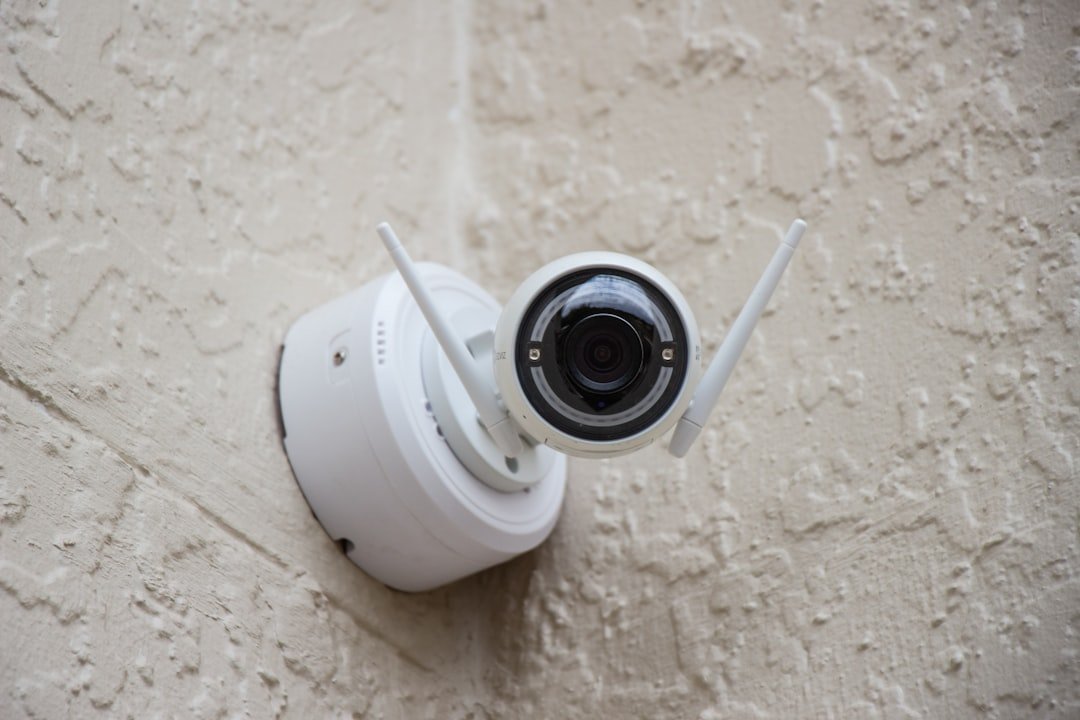
A Pennsylvania court has delivered a decisive blow to government surveillance powers, ruling that state game wardens cannot use hidden cameras on private hunting club property without warrants. The Commonwealth Court decision marks a rare win for property rights advocates who’ve watched enforcement agencies expand their monitoring capabilities across rural America—often in the name of conservation enforcement.
Two private hunting clubs challenged the Pennsylvania Game Commission after wardens installed trail cameras on club property without permission or judicial oversight. The commission argued that game wardens need broad access to enforce wildlife laws and prevent poaching. The clubs countered that warrantless surveillance violates basic constitutional protections, regardless of the government’s stated purpose.
The Conservation Enforcement Dilemma
Wildlife officials argue they face a genuine problem: poachers and illegal hunters often operate on remote private lands where traditional patrols can’t reach. Trail cameras have become essential tools for documenting violations, tracking wildlife populations, and prosecuting those who flout game laws. Without surveillance access, they say, enforcement becomes nearly impossible on Pennsylvania’s 10 million acres of private forestland.
But hunting clubs and landowners see a different threat. They point to mounting examples of regulatory overreach where conservation mandates become justification for ignoring property boundaries. Today it’s trail cameras watching for deer poachers. Tomorrow it’s federal agents monitoring wetlands compliance or endangered species habitat on your back forty.
Fourth Amendment Meets the Tree Stand
The court sided with the clubs, ruling that property rights don’t disappear just because you own hunting land. Game wardens must obtain warrants like any other law enforcement agency conducting surveillance. The decision doesn’t prevent legitimate enforcement—it simply requires judicial oversight before planting cameras on someone else’s property.
The Pennsylvania Game Commission hasn’t announced whether it will appeal, but the ruling sets a precedent that could spread beyond the Keystone State. Similar disputes are brewing in Montana, Wisconsin, and other states where conservation agencies claim special powers to access and monitor private land.
What’s at Stake for Rural Landowners
This case exposes the friction between conservation goals and constitutional protections. Both sides claim they’re defending American traditions—one the rule of law and sustainable wildlife management, the other property rights and privacy. For rural landowners who manage habitat, control poachers on their own land, and welcome legitimate enforcement cooperation, the question is whether partnering with wildlife agencies means surrendering your Fourth Amendment rights at the gate.
Key Points
- Pennsylvania court ruled game wardens need warrants before installing surveillance cameras on private hunting club property
- Wildlife officials argue trail cameras are essential for enforcing game laws and preventing poaching on remote private lands
- The decision could set precedent nationwide for limiting conservation agency access to private property without judicial oversight
https://www.outdoorlife.com/conservation/pennsylvania-rules-against-game-wardens/ – July 23, 2026