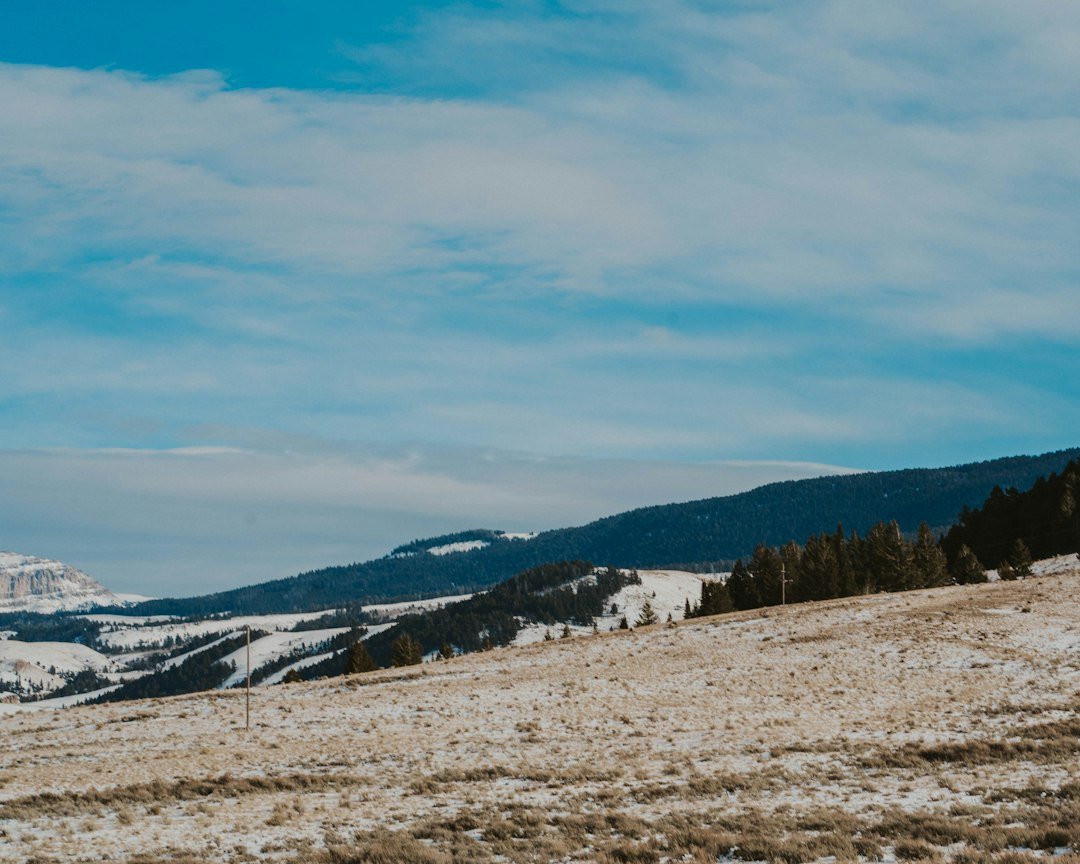
The Bureau of Land Management announced sweeping new habitat protections for the greater sage grouse across 65 million acres of Western rangeland this week, reigniting a decade-long battle between conservationists and the energy industry over one of America’s most contentious birds.
The new restrictions limit drilling operations within two miles of active sage grouse breeding grounds—called leks—and impose seasonal restrictions during the birds’ March-to-May mating season. The rules affect oil and gas leases across Wyoming, Montana, Colorado, Utah, Nevada, and parts of the Dakotas.
Why Conservationists Say Protections Are Necessary
Wildlife biologists point to alarming population declines. Sage grouse numbers have dropped from an estimated 16 million birds a century ago to fewer than 500,000 today. The species depends on intact sagebrush habitat for survival—using the same areas for breeding, nesting, and winter forage.
Environmental groups argue that energy development fragments this habitat. Drilling pads, access roads, and increased human activity drive sage grouse away from traditional breeding grounds. Males won’t perform their elaborate courtship displays within earshot of industrial noise, research shows.
“If we lose the sage grouse, we lose an entire ecosystem,” said one conservation director. “Hundreds of other species depend on healthy sagebrush country.”
The Economic Stakes for Energy Communities
Wyoming produces 85% of America’s sage grouse—and nearly 40% of its natural gas. State officials estimate the new rules could lock up billions in mineral resources and cost thousands of energy jobs in rural counties already struggling economically.
Energy companies note they’ve invested heavily in voluntary conservation efforts, including noise reduction technology and seasonal drilling restrictions that go beyond federal requirements. Industry representatives argue the science doesn’t support the two-mile buffer zones, calling them arbitrary.
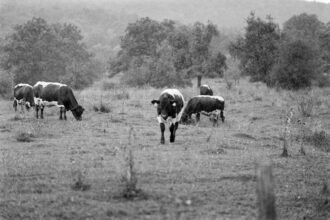
Ranchers face their own concerns. Many run cattle on BLM grazing allotments now subject to additional scrutiny. Some fear habitat assessments could lead to reduced livestock permits on land their families have worked for generations.
What Happens Next for Western Communities
Wyoming’s governor has already threatened legal action, calling the restrictions federal overreach that ignores state-led conservation efforts. Several Western states developed their own sage grouse plans specifically to avoid an Endangered Species Act listing—which these new rules effectively override.
At stake is more than one bird species. This conflict tests whether conservation in the modern West happens through local cooperation or federal mandate—and whether rural economies built on resource extraction can survive increasingly restrictive environmental regulations.
Key Points
- BLM restrictions limit drilling within two miles of sage grouse breeding grounds across six Western states
- Conservationists cite 97% population decline; energy industry argues voluntary efforts are working
- Wyoming officials threaten lawsuit over rules that could cost billions in mineral development and thousands of jobs
Aporia News – October 17, 2026