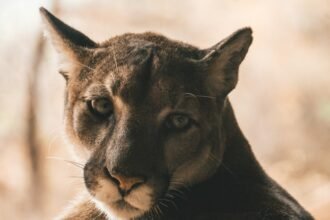
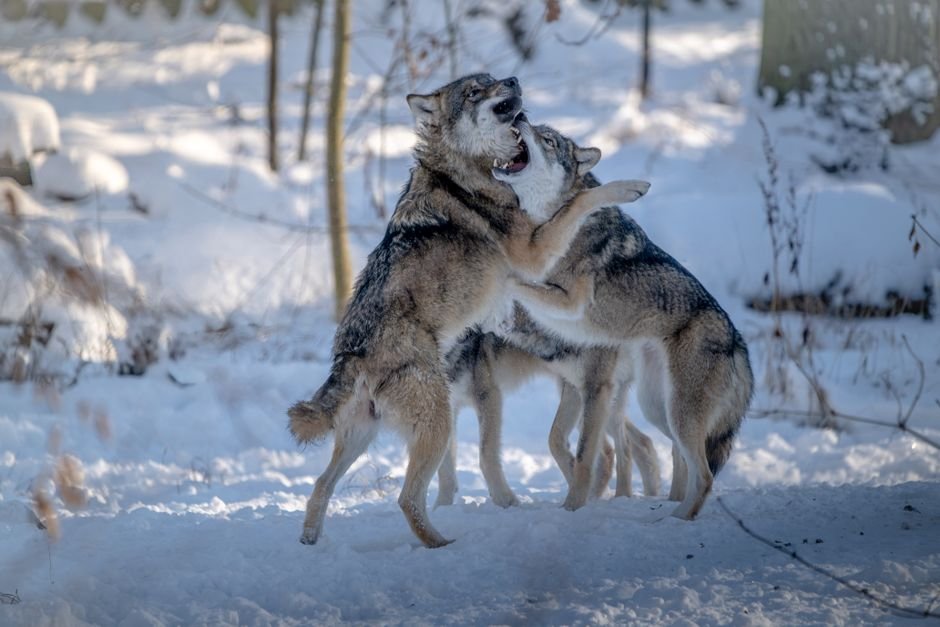
Colorado ranchers are threatening to pull out of a state wolf compensation program after delays and denied claims left them absorbing thousands in livestock losses. The dispute highlights a widening gap between the promise of predator reintroduction and the reality of who pays the price.
The state’s Wolf Depredation Compensation Fund was supposed to make ranchers whole when reintroduced wolves killed cattle and sheep. Instead, ranchers report claims taking six months or longer to process, strict proof requirements that are nearly impossible to meet, and reimbursement rates that don’t cover actual losses.
What Ranchers Say They’re Losing
Jackson County rancher Tom Breslin lost four calves to confirmed wolf kills this spring. The compensation fund paid him market weight for the calves—but refused to cover the lost breeding value, veterinary costs for injured cattle, or the costs of hiring extra hands to patrol his herds at night. His actual loss: $18,000. His compensation check: $3,200.
“They told us this would be fair,” Breslin said. “They told us we wouldn’t bear the cost of a program we never voted for. But here we are, paying for Denver’s wildlife fantasies while they eat grocery store beef.”
Ranchers also complain that partial carcasses—common with wolf kills—often can’t be confirmed because evidence degrades before investigators arrive. No confirmation means no compensation.
The Conservation Case for Predator Recovery
Wildlife advocates argue that predator reintroduction restores ecological balance disrupted by historical eradication campaigns. Wolves control elk populations, reduce overgrazing, and create trophic cascades that benefit entire ecosystems. Compensation programs, they say, are necessary to share the costs of a public good.
But even some conservationists admit the programs are underfunded and bureaucratically complex. “If we’re asking ranchers to coexist with wolves, we need to keep our end of the bargain,” said one wildlife advocate who requested anonymity.
What’s at Stake for Rural Communities
The compensation dispute extends beyond Colorado. Similar programs in Montana, Wyoming, and Idaho face rancher complaints about delays, low reimbursement rates, and insufficient funding. Some ranchers have stopped filing claims entirely, calling the process “insulting.”
At stake is whether predator recovery can happen without forcing rural communities to subsidize urban environmental priorities. When compensation fails, ranchers either absorb losses their margins can’t handle—or take matters into their own hands, legally or otherwise.
Key Points
- Colorado’s wolf compensation fund reimburses fraction of actual rancher losses from predator kills
- Strict proof requirements and six-month delays leave many claims denied or underpaid
- Similar compensation disputes in Montana, Wyoming, and Idaho threaten support for predator recovery programs
Aporia News – October 18, 2026