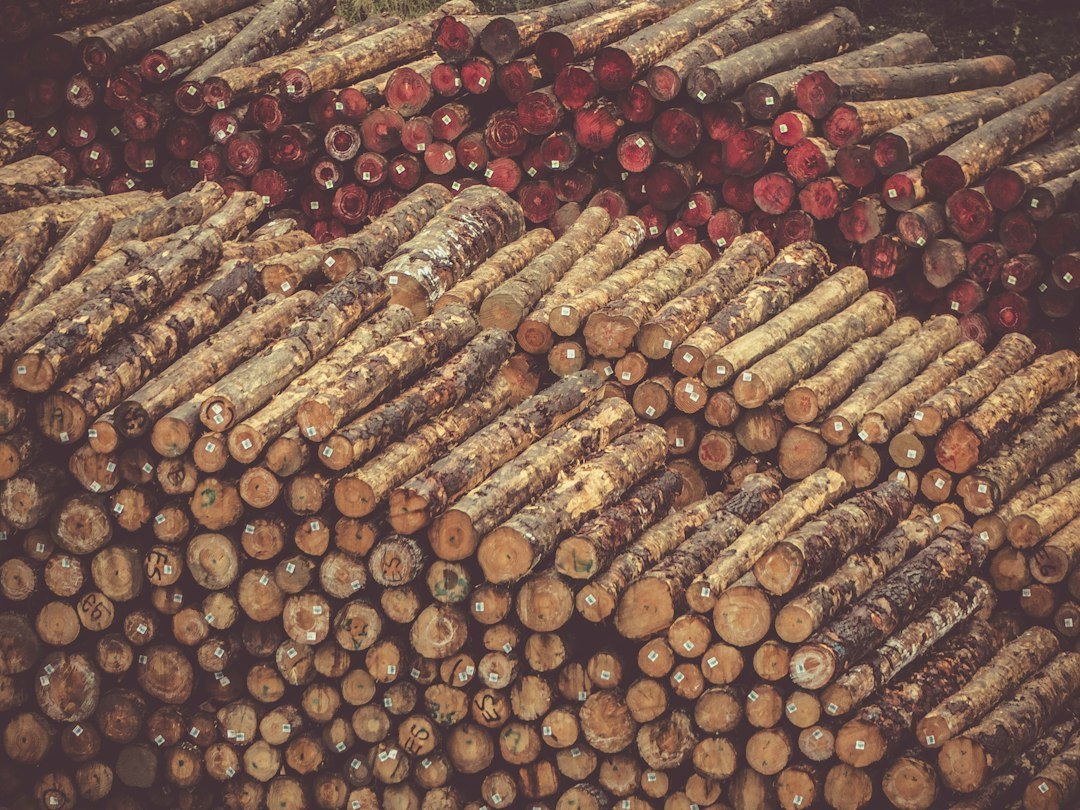
Institutional investors are snapping up American timberland at a pace of one million acres annually, according to Bank of America, drawn by promises of a tangible asset that grows in value while housing markets stumble. But investors who’ve already bought in warn the returns may disappoint anyone expecting quick profits.
The pitch sounds appealing: own a natural resource that literally grows on its own, mature it into a harvest, and cash in—all while using the land for hunting or recreation. Some financial advisors say younger Americans, priced out of traditional real estate, are exploring timber as an alternative investment class.
Oversupply Drags Down Short-Term Returns
Pat Dorn, founder of Anchor Investment Management in Columbia, South Carolina, and former chairman of the South Carolina Forestry Association, owns 2,500 acres of timberland in the state’s upstate region. His assessment is blunt: “Timber is a very low return investment. I have curtailed my investments.”
The core problem is oversupply. More timber is being grown than the sluggish housing economy needs, Dorn explained. When supply beats demand, prices fall—basic economics that applies to trees just as it does to wheat or steel.
Why Big Money Still Buys In
Despite modest returns, institutions continue buying at an aggressive clip. The appeal for pension funds and endowments lies in timber’s unique characteristics: it’s a real asset uncorrelated with stock market swings, provides some inflation protection, and requires minimal active management once planted.
For retirees and near-retirees looking at timberland as a portfolio diversifier, the math matters more than the romance. Unlike gold or Treasury bonds—traditional safe havens when markets wobble—timber ties up capital for years before generating returns. You can’t liquidate a half-grown pine forest when you need cash for medical bills.
What Investors Should Watch
The housing market remains the key variable. Residential construction drives lumber demand, and until new home starts recover, timber prices will likely stay depressed. Younger investors attracted by timberland’s tangibility should remember that owning 100 acres of Georgia pine doesn’t help if you need actual housing—and the investment won’t mature for a decade or more.
The institutions buying a million acres a year are playing a different game than individual investors. They can wait out housing cycles and absorb years of low returns. For Americans managing their own retirement accounts, timber remains what Dorn called it: a very low return bet on a very long timeline.
Key Points
- Institutional investors are buying one million acres of U.S. timberland annually, attracted by tangible assets uncorrelated with stock markets
- Current timber owners report very low returns due to oversupply exceeding demand in the weak housing economy
- Younger investors priced out of real estate are exploring timberland, but profits require waiting out decade-long growth cycles
https://www.cnbc.com/2026/10/17/timberland-investing-returns-risk.html – October 17, 2026