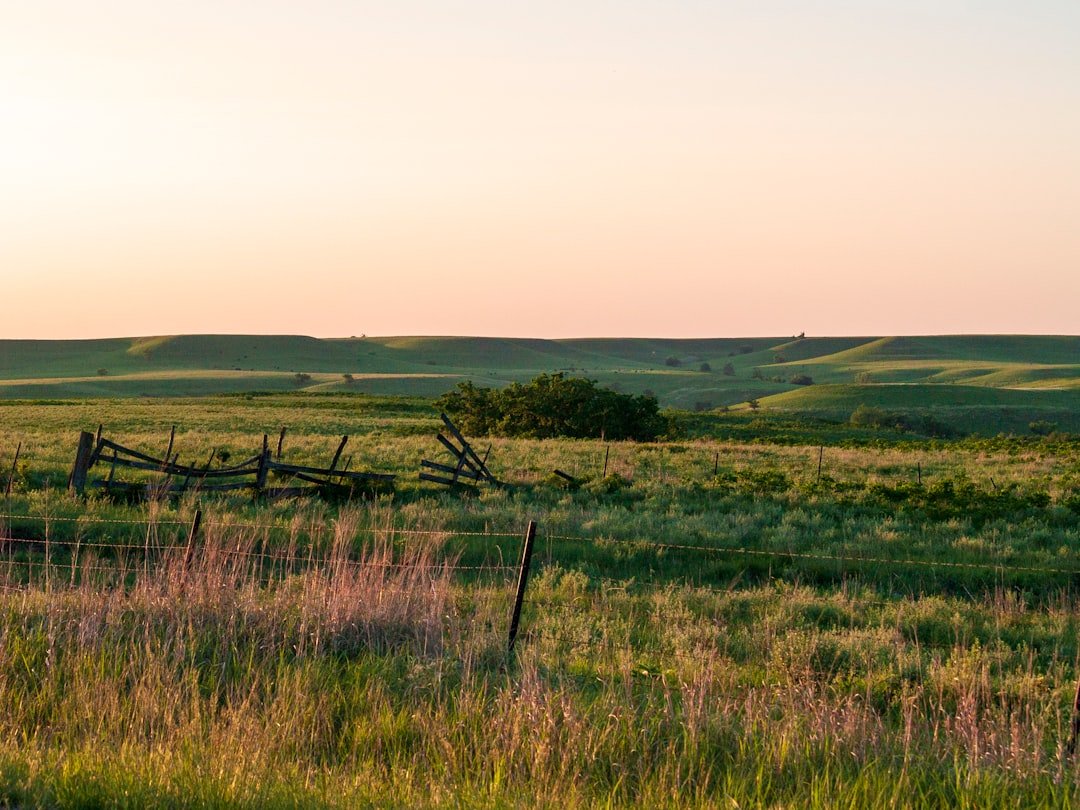
The Bureau of Land Management is moving forward with new grazing allotment reductions across 2.3 million acres in Nevada, Idaho, and eastern Oregon — cuts that agency officials say are necessary to protect sage grouse habitat and restore degraded rangelands, but that ranchers warn will force multi-generational operations out of business.
The decision affects 147 grazing permits held by ranching families, some for over a century. Under the new management plans, Animal Unit Months (AUMs) — the measure of how much forage livestock can consume — will be reduced by an average of 35% over the next three years, with some allotments cut by more than half.
Why BLM Says the Cuts Are Needed
Federal land managers point to range condition assessments showing widespread soil erosion, declining native grasses, and sagebrush habitat fragmentation in the affected areas. The greater sage grouse, a species that narrowly avoided Endangered Species Act listing in 2015, depends on healthy sagebrush ecosystems that BLM biologists say have been overgrazed in many allotments.
“These lands are not meeting land health standards,” said BLM Nevada State Director Patricia Hernandez. “We have a legal obligation under the Federal Land Policy and Management Act to manage for multiple uses while ensuring resource sustainability. The science shows these reductions are necessary for ecosystem recovery.”
Ranchers Say Federal Data Ignores Ground Truth
Ranching families counter that BLM’s range assessments rely on outdated methodologies and ignore improvements made through cooperative grazing management. They argue that working ranches have kept these landscapes productive for generations and that eliminating livestock will actually increase wildfire risk by allowing fine fuels to accumulate.
“My family has run cattle on this allotment since 1911,” said Jake Petersen, a fourth-generation Nevada rancher facing a 48% AUM reduction. “We’ve invested hundreds of thousands of dollars in water developments, fencing, and rest-rotation systems that improved the range. Now BLM uses computer models instead of talking to people who live on this land every day.”
Rural county commissioners in affected areas warn the cuts will devastate local economies built around ranching, from feed suppliers to veterinarians to small-town businesses.
What Happens Next for Western Rangelands
The ranchers have 30 days to appeal the decisions, and several grazing associations are preparing legal challenges. Meanwhile, the cuts take effect in spring 2027. If ranching becomes economically unviable on these allotments, the land doesn’t return to wilderness — it remains federal property, with its future use uncertain and its management dependent on whatever political winds blow through Washington next.
Key Points
- BLM is reducing grazing permits by 35% average across 2.3 million acres to protect sage grouse habitat and restore degraded rangelands
- Ranchers argue federal assessments ignore on-the-ground improvements and generational land management knowledge
- The cuts threaten to end multi-generation ranching operations and devastate rural economies dependent on livestock grazing
Aporia News – June 25, 2026