By Rick Calloway | June 6, 2026
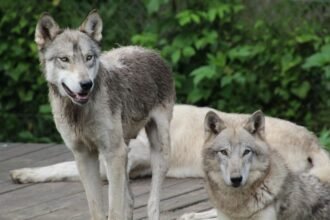
The gray wolves returned to Colorado’s Western Slope last December as promised. What wasn’t promised: a compensation system that actually works when they kill livestock.
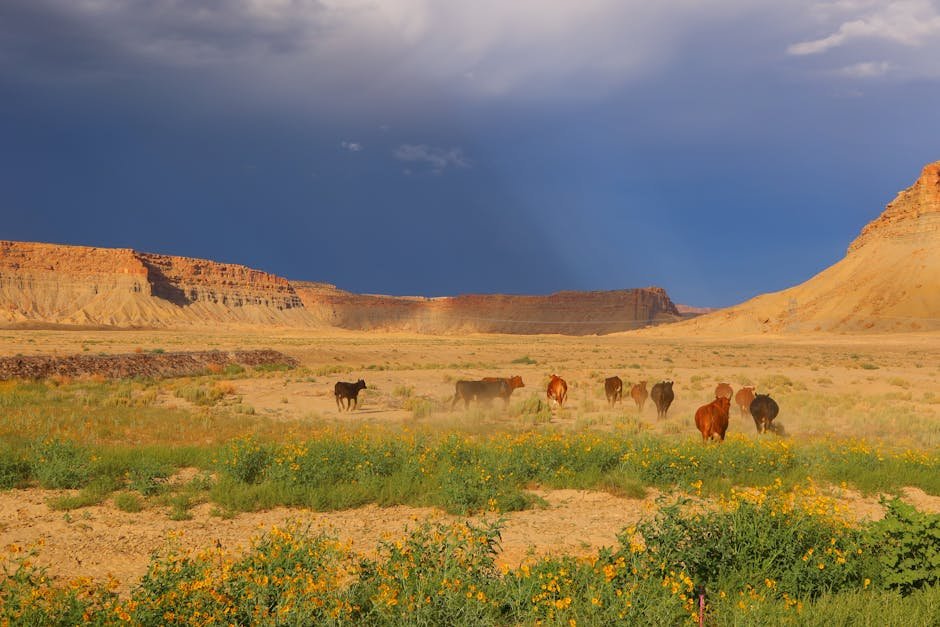
Dale Mortensen lost three calves to confirmed wolf kills in April on his ranch outside Meeker. The state’s new compensation program valued them at $450 each—roughly half what he’d get at auction. Factor in the pregnant heifer the wolves ran through a fence, the vet bills, and the time spent documenting everything for the state, and Mortensen figures he’s out $4,000. Colorado Parks and Wildlife sent him a check for $1,350.
“They wanted wolves, they got wolves,” Mortensen told local reporters. “But I’m the one paying for their wildlife viewing.”
Conservation groups counter that wolf reintroduction restores an apex predator critical to ecosystem health—and that compensation programs, while imperfect, acknowledge the burden on ranchers. The Rocky Mountain Wolf Project points out that wolf kills account for less than one percent of cattle losses in states with established wolf populations, far below weather deaths, disease, and even domestic dog attacks.
“We’re talking about 30-40 head per year statewide versus 2.7 million cattle,” says program director Jennifer Haskell. “The economic impact is statistically minimal, and we’ve committed to making ranchers whole.”
But “making whole” is where things break down. Montana’s program pays fair market value but requires proof—often impossible when wolves scatter a kill site or consume evidence. Wyoming’s program hasn’t been funded since 2020. Oregon takes up to six months to process claims. And none compensate for indirect losses: stress-induced weight loss in harassed cattle, abandoned grazing allotments, guard dog expenses, or the time spent checking herds twice daily instead of once.
The National Cattlemen’s Beef Association estimates indirect losses run four to seven times higher than direct kills. State wildlife agencies call those figures inflated and impossible to verify.
Some ranchers have stopped applying entirely. “The paperwork isn’t worth $450,” says third-generation rancher Tom Beckworth, who runs 300 head near Steamboat Springs. “And it just confirms what we already know—they value the wolves more than they value us.”
Meanwhile, wolf advocates argue that ranchers receive federal grazing subsidies, predator control services, and disaster relief—support that dwarfs compensation payouts. Ranchers respond that they’re managing private land for public wildlife they never asked for.
What’s at stake isn’t just money. It’s whether rural communities will tolerate conservation programs designed by people who don’t live with the consequences—and whether predator restoration can succeed when the people most affected feel treated as acceptable losses.
Key Points
- Colorado’s wolf compensation program pays market value for confirmed kills but doesn’t cover indirect losses like stressed cattle, abandoned grazing areas, or increased labor
- Conservation groups say wolf kills represent less than 1% of cattle losses while ranchers say indirect economic impacts run four to seven times higher than direct kills
- The compensation dispute reflects a deeper conflict over who bears the cost of wildlife restoration and whether rural communities will accept predator programs they didn’t vote for
Aporia News – June 06, 2026