
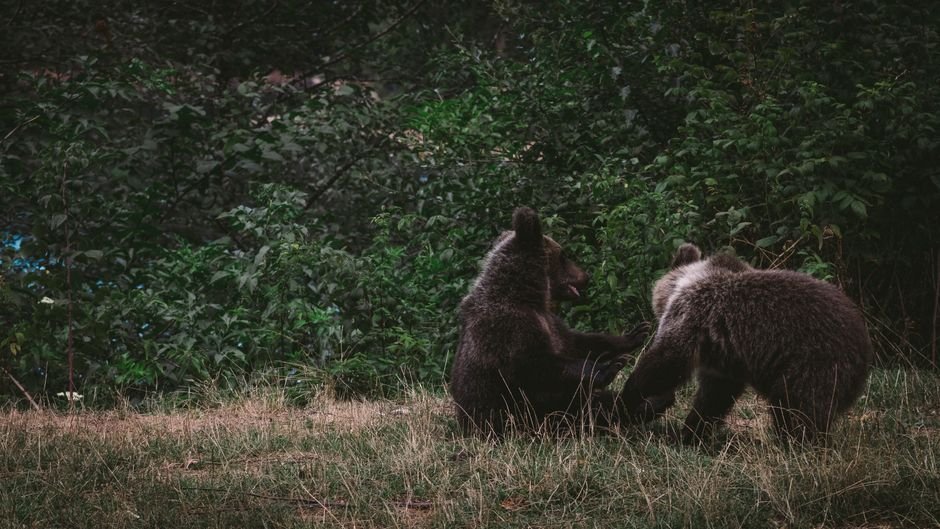
The U.S. Fish and Wildlife Service announced it will transfer day-to-day grizzly bear management back to Montana, Wyoming, and Idaho — the first time states will manage the apex predator in nearly five decades. Wildlife officials are calling it progress. Ranchers who’ve lost cattle to grizzlies and hunters locked out of prime elk country are calling it something else: a test run.
Montana’s Fish, Wildlife and Parks director didn’t mince words, describing the move as a “dress rehearsal for delisting” — removing grizzlies from Endangered Species Act protection entirely. If that happens, Western states could open limited hunting seasons for the first time since 1975. But conservation groups are already gearing up for legal war, and past attempts to delist grizzlies have been overturned in federal court.
What State Management Actually Changes
Under the new arrangement, state wildlife agencies will handle grizzly conflicts, population monitoring, and habitat decisions in the Greater Yellowstone Ecosystem. The feds retain ultimate authority and can pull the plug if grizzly numbers decline. For ranchers who’ve waited days for federal agents to respond to livestock kills, state control means faster response times and officials who understand local conditions. For environmental groups, it means states they don’t trust managing an icon they believe remains threatened.
The grizzly population has recovered from roughly 140 bears in 1975 to an estimated 1,000-plus today. Montana FWP argues that’s a conservation success story and proof states can be trusted. Critics point out that grizzlies occupy less than 5 percent of their historic range and expanding populations inevitably means more human conflict.
The Hunting Question Nobody’s Asking Out Loud
State management is the necessary first step toward delisting, and delisting opens the door to hunting seasons. Wyoming and Montana have made no secret they’d pursue limited trophy hunts if given the green light. Hunting advocates argue it’s a proven tool for managing wildlife populations and generating conservation revenue. Opponents say killing grizzlies to manage numbers is like burning down your house to save on heating bills.
The real test comes when a rancher shoots a grizzly defending his herd, or when state biologists decide a problem bear needs to be removed. Will the feds second-guess every decision? Will lawsuits freeze management in place like they have before?
What’s at Stake for Rural America
This isn’t just about bears. It’s about whether states can manage their own wildlife or whether federal bureaucrats 2,000 miles away call the shots forever. Montana lost the authority to manage grizzlies when Nixon was president. Getting it back — even partially — matters to people who live with these animals, not just admire them from a distance.
Key Points
- Montana, Wyoming, and Idaho regain day-to-day grizzly management after nearly 50 years of federal control
- Montana FWP director calls it a “dress rehearsal for delisting,” which could eventually allow limited hunting
- Grizzly numbers have recovered to 1,000-plus bears, but environmental groups promise legal battles over any delisting attempt
https://www.outdoorlife.com/conservation/grizzly-bear-management-returns-to-states/ – July 16, 2026