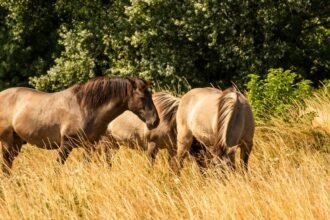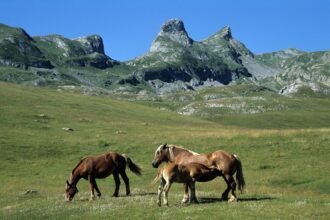
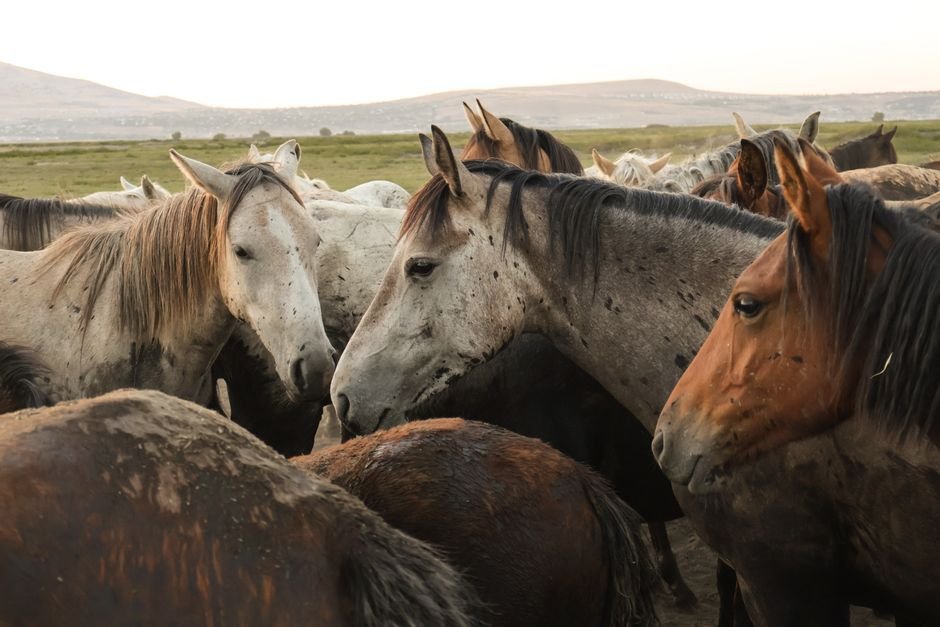
More than 82,000 wild horses and burros now roam federal lands across the West — nearly three times what range scientists say the land can sustain without degradation. The Bureau of Land Management estimates the sustainable population at around 27,000, but removal efforts have stalled amid legal challenges and adoption bottlenecks, leaving ranchers who lease grazing rights and wildlife advocates pointing fingers over who’s destroying the range.
The animals, protected since 1971 under federal law, compete directly with permitted cattle for forage on BLM lands. With horse populations growing 15-20% annually and no natural predators, the conflict has reached a breaking point in states like Nevada, Wyoming, and Montana where grazing permits have been family-held for generations.
Ranchers Say Horses Devastate Permitted Range
Livestock operators who pay for grazing permits argue they’re being squeezed off public lands they’ve used sustainably for decades. Wild horses don’t respect allotment boundaries, often concentrating around water sources and depleting forage that ranchers have paid to use. Some permittees have seen their authorized animal unit months slashed to accommodate exploding horse numbers, threatening ranch viability.
The horses also impact wildlife habitat. Mule deer, elk, and pronghorn compete for the same forage, and biologists have documented degraded riparian areas from horse overgrazing — the same damage environmentalists typically blame on cattle.
Animal Advocates Block Removal Options
Wild horse protection groups contend the BLM inflates population numbers and that horses are being scapegoated for damage caused by livestock. They’ve successfully challenged roundups in court, arguing the agency uses inhumane gather methods and sends unadopted horses to slaughter.
The BLM currently holds over 60,000 captured horses in holding facilities at a cost exceeding $50 million annually — money that comes from the same budget meant to manage public lands. Fertility control programs have shown limited success at scale, and adoption demand remains far below what’s needed to reduce on-range populations.
What’s at Stake for Rural Communities
The deadlock threatens both rangeland health and the ranching families who depend on federal grazing permits. If horse numbers continue unchecked, range degradation accelerates — harming cattle, wildlife, and horses themselves during drought years. But aggressive removal without viable placement options creates its own crisis. Rural westerners increasingly see the controversy as yet another federal management failure where ideology trumps boots-on-the-ground reality.
Key Points
- Wild horse populations have exploded to 82,000 animals, triple what BLM says the range can sustain
- Ranchers losing grazing permits as horses compete for forage on family-used allotments
- Legal challenges block removal while holding 60,000 horses costs taxpayers $50 million yearly
Aporia News – July 30, 2026