The Klamath River Basin has become ground zero in a battle that’s playing out across the American West: when fish need water to survive, who decides whether farmers or endangered species get priority? Federal regulators just cut irrigation allocations to 400 farming families in southern Oregon and northern California by 65 percent to protect coho salmon and suckerfish populations. The farmers say the decision will bankrupt multi-generational operations. Environmentalists say without the water, the fish go extinct.
This isn’t an abstract policy debate. It’s about whether your neighbor keeps his ranch or sells to a hedge fund, whether rural towns survive or become ghost communities with boarded-up main streets.
The Conservation Case for Restricting Water
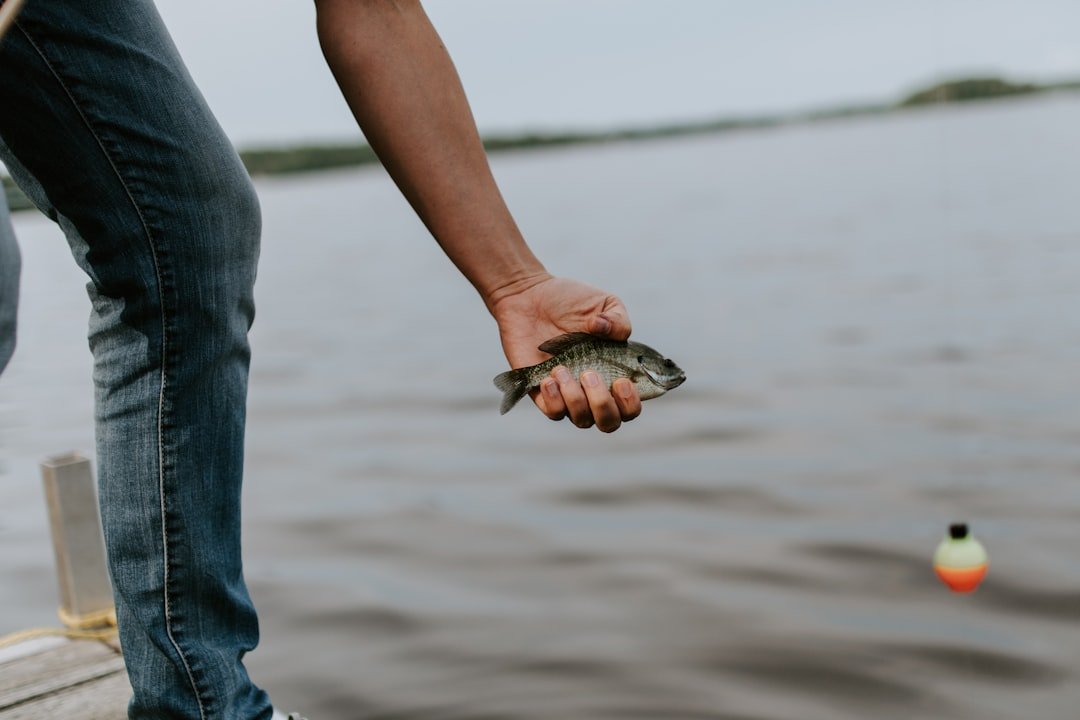
Coho salmon populations in the Klamath have crashed 95 percent since the 1960s. The suckerfish, sacred to local tribes and found nowhere else on earth, are down to critically low numbers. Both are listed under the Endangered Species Act. Federal biologists say minimum water flows are non-negotiable—drop below certain levels and you’re looking at mass die-offs, potentially pushing species past the point of recovery.
Wildlife advocates argue we already know what happens when we ignore these warnings. We’ve watched salmon runs collapse throughout the Pacific Northwest when rivers were sucked dry for agriculture. They say the law is clear: ESA obligations override irrigation rights when species face extinction.
Why Farmers Say This Destroys Rural America
The farmers have senior water rights dating back over a century—property rights they paid for and built their lives around. They’ve already survived previous cutbacks, installed efficient irrigation systems, fallowed fields. They say this latest reduction makes farming impossible, period.
“We’re not against fish,” one fourth-generation rancher told the local paper. “But they’re asking us to sacrifice everything we’ve built so bureaucrats in Washington can check a box.”
The economic ripple effects hit hard: no crops means no work for equipment dealers, seed suppliers, processing plants. Tax revenue disappears. Schools close. The entire rural economy built around agriculture collapses while urban environmentalists celebrate a win they’ll never have to live with.
What Happens Next Could Set Precedent
Legal challenges are already filed. Some farmers are defying the restrictions, risking federal prosecution. Meanwhile, tribes caught in the middle support the fish but also depend on the agricultural economy.
The outcome here will influence water conflicts from Montana to Arizona—every basin where endangered species, tribal rights, and agricultural water use collide. For rural communities, the question isn’t just about this year’s harvest. It’s whether traditional ways of life tied to the land still have a future in America, or whether conservation mandates will be enforced regardless of who gets displaced.
Key Points
- 400 farming families face 65% irrigation cuts to protect endangered coho salmon and suckerfish in the Klamath Basin
- Farmers with century-old water rights say the restrictions make agriculture economically impossible and will devastate rural communities
- The conflict sets precedent for water allocation disputes across the West where endangered species protections clash with agricultural livelihoods
Aporia News – August 01, 2026