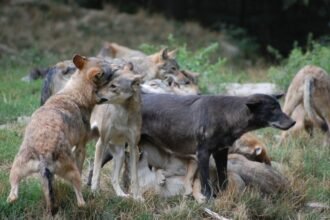
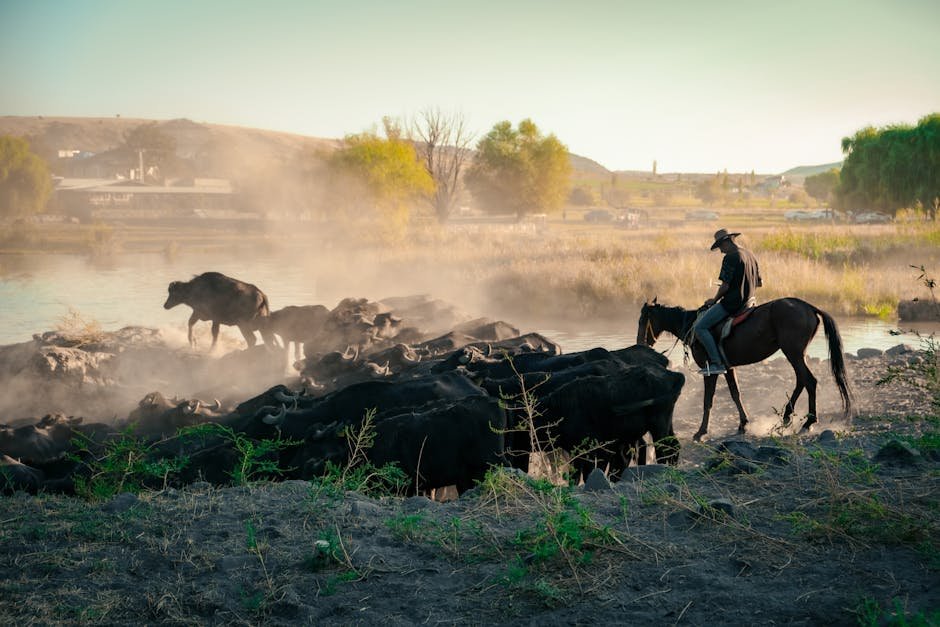
Wyoming ranchers are pushing back against a federal compensation program for livestock killed by reintroduced wolves, calling the payment structure “insulting” and inadequate to cover actual losses. The dispute highlights a deepening divide over who bears the real cost of predator recovery.
The U.S. Fish and Wildlife Service currently reimburses ranchers at market value for confirmed wolf kills—typically $1,200 to $1,500 per cow. But the Wyoming Stock Growers Association argues this ignores “indirect losses” that can exceed direct kills by a factor of five: stressed cattle that lose weight, disrupted breeding cycles, increased herding costs, and calves separated from mothers during wolf encounters.
“They’ll pay you for the dead calf they find,” says Jim Magagna, executive vice president of the association. “But they won’t pay you for the six that went missing, the pregnant cow that miscarried from stress, or the cowboys you had to hire to patrol your grazing allotments at night.”
Montana’s experience illustrates the scope. Since gray wolf reintroduction began in 1995, confirmed livestock kills in the Northern Rockies exceed 4,000 head of cattle and 12,000 sheep. Livestock defenders estimate unreported or unconfirmed losses add another 50,000 animals.
Conservation groups counter that ranchers overstate losses and resist non-lethal deterrents like range riders, fladry fencing, and livestock guardian dogs. They point out that predator reintroduction benefits entire ecosystems—wolves in Yellowstone restored willow growth, stabilized elk populations, and even changed river courses by reducing overgrazing.
“Society decided wolves belong on the landscape,” says Defenders of Wildlife spokesperson Sarah Chen. “Our compensation programs have paid out over $2.3 million to ranchers. We’re trying to share the burden fairly.”
But ranchers argue “fair burden” means urban environmentalists voting to put predators on land they’ll never work. The compensation debate extends beyond wolves to grizzly bears, mountain lions, and now discussions of jaguar reintroduction in Arizona and New Mexico.
Several Western states are considering legislation requiring federal agencies to cover full economic losses—including indirect impacts—before any reintroduction proceeds. Colorado’s voter-approved wolf reintroduction, launched in 2023, faces similar compensation battles as wolves begin establishing territories.
At stake is whether predator recovery remains viable in working landscapes. Ranchers say inadequate compensation will force them to sell to developers, eliminating both grazing land and wildlife habitat. Conservationists worry that inflated loss claims could bankrupt reintroduction programs entirely.
The wolves are back. The question is whether the people who live alongside them can afford to stay.
Key Points
- Wyoming ranchers claim indirect losses from wolf predation exceed direct kills by 5x, including weight loss, miscarriages, and increased labor costs
- Federal compensation programs have paid $2.3 million since reintroduction but only cover confirmed kills at market value
- Western states are considering legislation requiring full economic impact coverage before any predator reintroduction proceeds
Aporia News – May 14, 2026