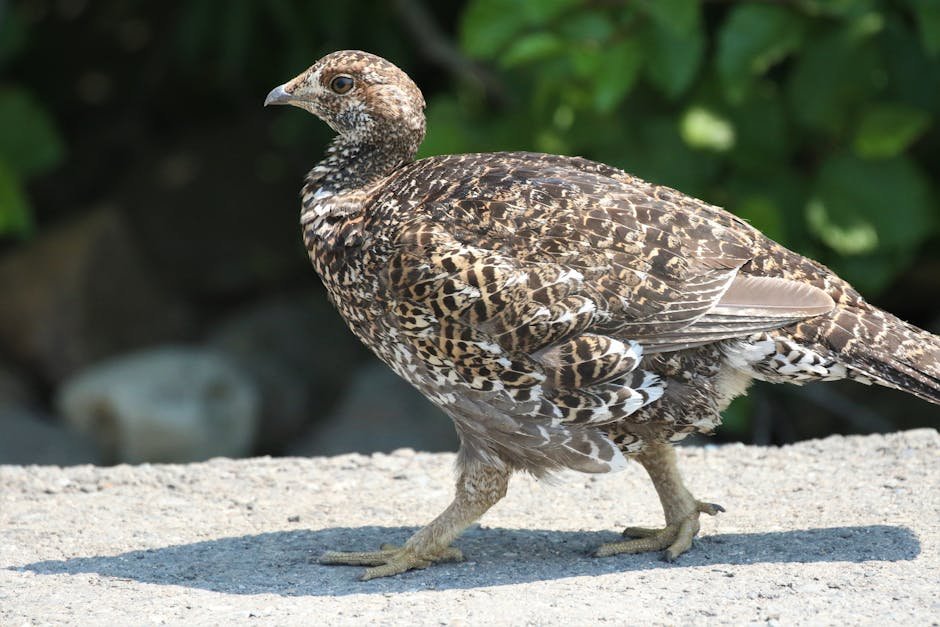
The Bureau of Land Management’s revised Greater Sage-Grouse habitat management plans are reshaping energy development across 10 Western states, with new restrictions affecting over 65 million acres of public land. The updated protections, announced April 2026, tighten drilling setbacks and seasonal restrictions in priority habitat areas—a move conservation groups call essential for preventing extinction, while energy developers and rural counties warn of economic devastation.
Sage grouse populations have declined roughly 80% since the 1960s, from an estimated 16 million birds to around 200,000-500,000 today. The chicken-sized birds require vast expanses of sagebrush for breeding, nesting, and winter survival. The new BLM rules establish 3-mile no-surface-occupancy buffers around breeding grounds called leks, up from previous 2-mile restrictions in some areas, and ban new development during the March-June breeding season.
“This is about preventing a catastrophic listing under the Endangered Species Act,” said Montana Audubon’s Sarah Chen. “Once sage grouse are listed, the regulatory hammer comes down much harder. These voluntary protections keep more options on the table for everyone.”
But in Sweetwater County, Wyoming—which produces more natural gas than any county in America—Commissioner Randy Wendling sees it differently. “We’re looking at 400 potential well sites that can’t be drilled under these new rules. That’s $800 million in lost investment and 1,200 family-wage jobs that won’t exist. And for what? Sage grouse numbers have been stable here for a decade.”
The economic stakes are substantial. Wyoming’s energy industry contributes $3.3 billion annually to state coffers, funding schools and infrastructure across rural counties where few alternatives exist. Colorado’s northwest oil patch faces similar constraints, with Moffat County officials estimating $200 million in forgone development over the next five years.
Energy companies argue modern directional drilling already minimizes surface disturbance, and point to successful sage grouse conservation on private ranch lands managed through voluntary programs. “We’ve proven you can have both energy development and healthy sage grouse populations with smart management,” said Western Energy Alliance spokesman Jake Morrison. “These one-size-fits-all federal restrictions ignore a decade of collaborative conservation work.”
Conservation groups counter that voluntary approaches failed to halt the overall population decline. They note sage grouse are an umbrella species—protecting their habitat also protects 350 other species dependent on sagebrush ecosystems, from pronghorn antelope to pygmy rabbits.
What’s at stake: Whether Western communities can maintain their economic base while preserving a landscape-scale species, or whether conservation and rural prosperity remain fundamentally incompatible across America’s sagebrush country.
Key Points
- New BLM rules establish 3-mile drilling buffers around sage grouse breeding sites and seasonal development bans across 65 million acres in 10 Western states
- Wyoming’s Sweetwater County alone faces $800 million in blocked natural gas development, while sage grouse populations have declined 80% since the 1960s
- Energy industry points to successful voluntary conservation on private lands, while conservation groups warn that failure to protect habitat now will trigger far more restrictive Endangered Species Act listing
Aporia News – May 15, 2026