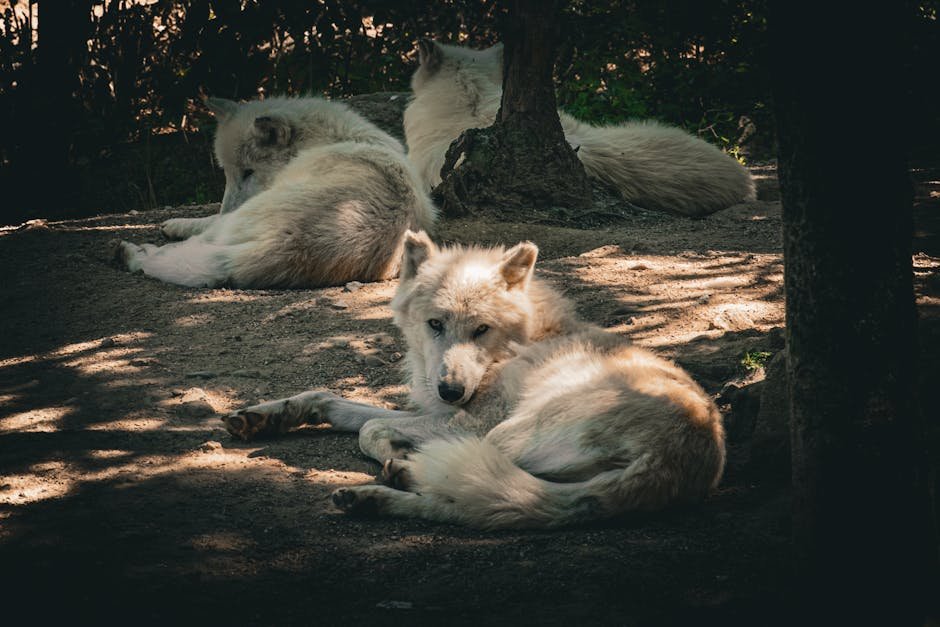
Gray wolves are thriving across much of the Northern Rockies, with populations in Montana, Idaho, and Wyoming now exceeding 3,000 animals—well above federal recovery targets. For wildlife biologists, it’s a conservation success story decades in the making. For ranchers watching calves disappear into the timber, it’s an expensive government-mandated burden that’s destroying a way of life.
The numbers tell competing stories. The U.S. Fish and Wildlife Service reports wolf populations have rebounded dramatically since reintroduction began in 1995, meeting every biological benchmark for a recovered species. Meanwhile, state agriculture departments document hundreds of confirmed livestock kills annually, with estimated losses running into the millions when you factor in missing animals never found.
Montana rancher Tom Hendricks lost six calves to wolves last spring on land his family has worked for four generations. “They tell us wolves are part of the ecosystem,” he says. “But my cattle are how we make our living. When wolves kill livestock, that’s money straight out of our pockets.” Compensation programs exist, but ranchers say the reimbursement process is slow, payments don’t cover full market value, and proving a wolf kill—rather than other predators—requires fresh carcasses that wolves often consume entirely.
Conservation groups counter that livestock losses represent a tiny fraction of overall cattle deaths—less than one percent according to USDA data—and that coexistence is both possible and necessary. “Wolves are a keystone species that restore natural balance,” explains Sarah Chen of the Western Wildlife Coalition. “Their presence improves ecosystem health in ways that benefit everyone, including ranchers dealing with elk overpopulation on grazing lands.”
The controversy intensified in 2024 when Colorado began its own wolf reintroduction despite opposition from the state’s ranching communities. Now proposals to reintroduce wolves in Utah and Nevada have rural residents across the West watching nervously. State wildlife agencies, caught between federal endangered species requirements and local opposition, are struggling to manage populations that don’t recognize jurisdictional boundaries.
Both sides agree the current system isn’t working. Ranchers want more authority to protect their herds. Conservationists want adequate funding for non-lethal deterrents and proper compensation. What they can’t agree on is whether Washington should be dictating wildlife policy to people whose livelihoods depend on the land—or whether species recovery requires federal protection regardless of local cost.
At stake is more than wolf management. It’s the question of who decides how rural America’s landscapes should look, and who bears the burden when those decisions have real economic consequences for families who’ve worked the same ground for generations.
Key Points
- Wolf populations in Montana, Idaho, and Wyoming now exceed 3,000 animals, well above federal recovery targets
- Ranchers document hundreds of confirmed livestock kills annually, but compensation programs are slow and don’t cover full losses
- Expansion into Colorado, with proposals for Utah and Nevada, intensifies the debate over federal wildlife policy versus local control
Aporia News – May 18, 2026