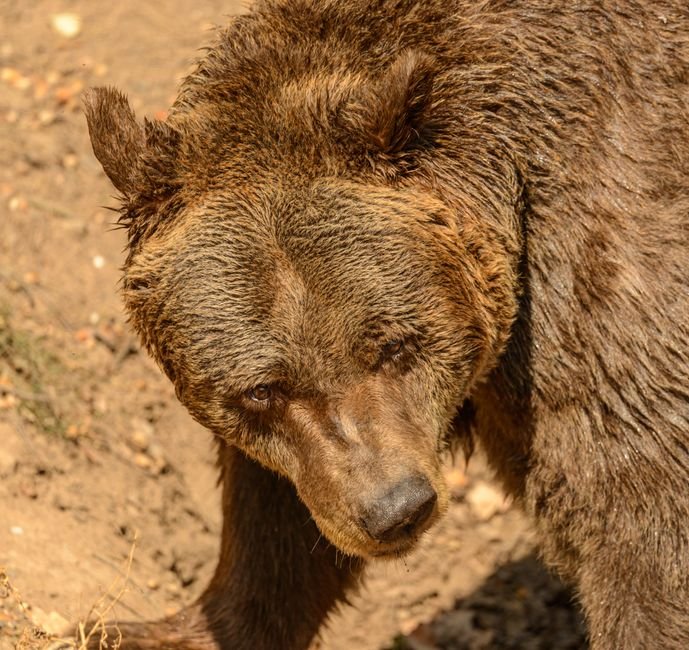
A Montana bowhunter survived not one but two attacks from the same grizzly bear this fall, walking away with his life after hearing “the crunch of something breaking” during the mauling. The hunter’s survival story raises questions that federal wildlife managers don’t want to answer: How many close calls will it take before someone admits grizzly recovery has succeeded—and it’s time to let states manage these apex predators again?
The incident occurred in prime grizzly habitat where populations have exploded beyond recovery goals set decades ago. Yet the bears remain federally protected, leaving hunters and rural residents with no legal options when encounters turn violent.
When Conservation Success Becomes a Safety Crisis
The Greater Yellowstone grizzly population now exceeds 1,000 bears—quadruple the recovery target. In Northwest Montana, another 1,100-plus bears roam outside the park. These aren’t the remnant populations that justified ESA protection in 1975. They’re thriving, expanding populations that increasingly overlap with hunters, ranchers, and hikers.
Federal officials celebrate these numbers as conservation victories. But they won’t transfer management authority to Montana, Wyoming, and Idaho—states with proven track records managing elk, deer, and black bears. The result? No hunting seasons, no population control, and mounting human-bear conflicts that leave people like this bowhunter fighting for their lives.
The Property Rights Angle Nobody Discusses
Environmental groups argue continued federal protection prevents trophy hunting and ensures genetic connectivity between populations. Fair enough. But what about the rancher who loses livestock? The outfitter whose clients face deadly encounters? The rural family that can’t let kids play outside?
State management wouldn’t mean open season on grizzlies. Montana’s proposed plan included strict quotas, limited permits, and buffer zones around Yellowstone. But federal judges keep blocking delisting, prioritizing theoretical risks over real human safety concerns.
What Hunters and Rural Americans Need to Know
This hunter survived because he kept his wits and the bear eventually left. Others haven’t been so lucky. Until grizzlies are delisted and state wildlife agencies gain management authority, expect more attacks, more livestock losses, and more federal regulations that punish rural communities for conservation success.
The Endangered Species Act was meant to save species from extinction, not maintain federal control indefinitely. Grizzlies are recovered. It’s time Washington admitted it.
Key Points
- Montana hunter survived two attacks from same grizzly bear in federally protected habitat
- Greater Yellowstone grizzly population exceeds recovery goals by 400 percent but remains listed under ESA
- Federal courts continue blocking state management despite Montana’s proven wildlife conservation record
https://www.outdoorlife.com/survival/montana-grizzly-attack-story/ – July 31, 2026