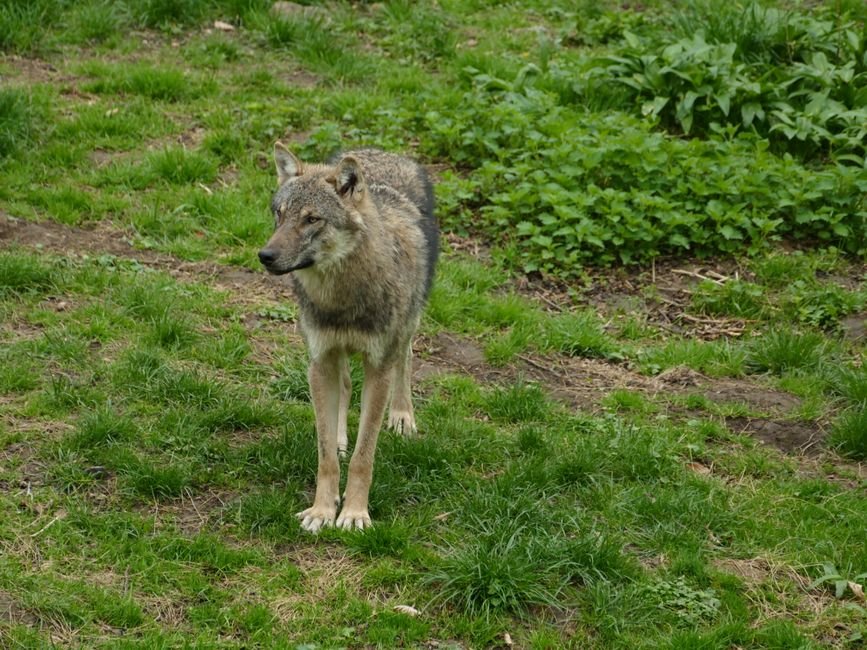
A video circulating from Yellowstone National Park shows what happens when wolf reintroduction meets recreational hiking: a young wolf stalking a tourist down a trail, close enough the hiker thought it was someone’s unleashed dog. The encounter ended peacefully—this time. But it’s raising questions nobody in Washington wants to answer about what happens when apex predators and public recreation share the same ground.
The hiker kept his composure, the wolf eventually wandered off, and park officials are calling it a “rare” encounter. What they’re not calling it is a warning sign.
When Conservation Success Creates New Problems
Yellowstone’s wolf reintroduction has been celebrated as one of America’s great conservation victories. Since 1995, gray wolves have rebounded from near-extinction to stable populations throughout the Northern Rockies. The ecological benefits are real—healthier elk herds, restored vegetation, rebalanced ecosystems.
But those same wolves are now doing what wolves do: expanding their territory, hunting livestock outside park boundaries, and increasingly encountering humans in spaces Americans have recreated in for generations. Ranchers have been sounding the alarm for years about livestock losses. Now hikers are getting a taste of what living alongside apex predators actually means.
The Question Nobody Wants to Ask
Here’s the uncomfortable truth: you can’t have thriving wolf populations and expect them to stay conveniently inside park boundaries or avoid people. Wildlife doesn’t work that way. As wolf numbers grow, so do encounters—with hikers, hunters, families camping, kids at rural bus stops.
The same federal agencies that mandated wolf reintroduction offer no realistic plan for managing these conflicts. Ranchers who lose cattle to wolves face bureaucratic nightmares trying to get compensation. Hunters worry about depleted elk herds. And now, tourists getting stalked on public trails.
What’s at Stake for Rural Americans
This isn’t an argument against conservation or wolves. It’s a demand for honest conversation about trade-offs. When Washington decides to reintroduce predators, rural communities bear the costs—lost livestock, restricted land use, and now, safety concerns in places families have hiked for decades.
The video is remarkable because the hiker stayed calm and the wolf moved on. But bank on this: the next encounter might not end as peacefully. And when it doesn’t, the same people who mandated reintroduction will blame everyone except their own refusal to plan for the consequences.
Key Points
- Video shows young wolf stalking tourist close enough to be mistaken for a dog
- Yellowstone wolf reintroduction succeeded ecologically but created new human-wildlife conflicts
- Federal agencies offer no realistic plan for managing encounters as wolf populations expand into recreation areas
https://www.outdoorlife.com/conservation/i-thought-it-was-a-dog-yellowstone-tourists-capture-rare-spooky-encounter-with-wolf/ – August 29, 2026