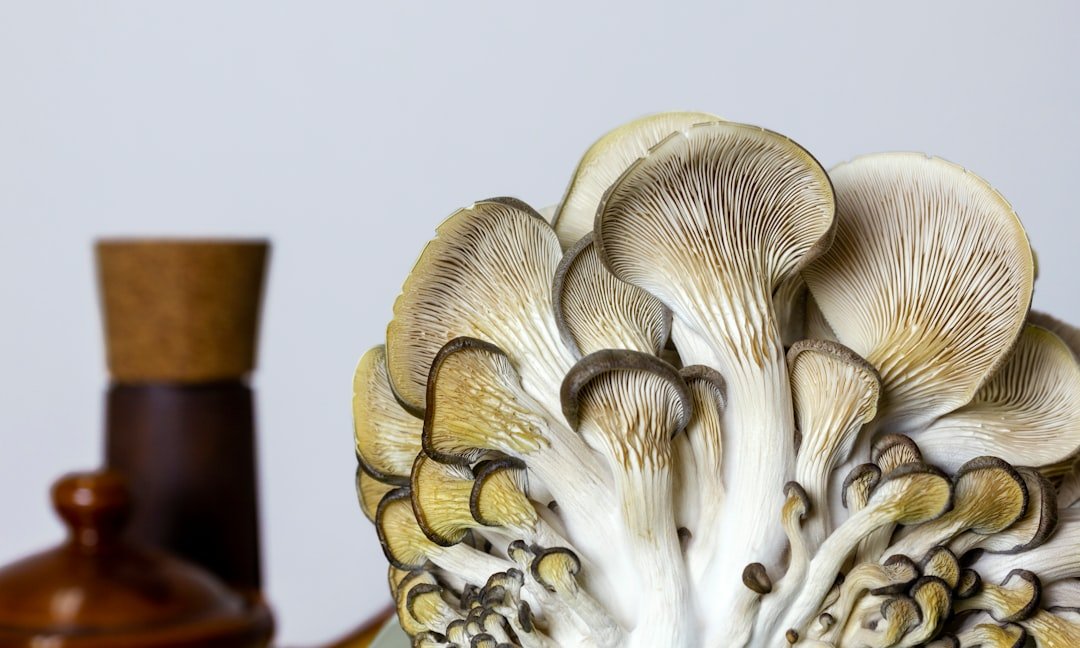
Every spring, thousands of Americans head into the woods with mesh bags and high hopes, searching for morel mushrooms in the same patches their fathers and grandfathers hunted before them. It’s a tradition as old as rural America itself. But increasingly, that tradition is colliding with a hard reality: many of the best morel grounds are now off-limits, locked behind federal gates or posted by out-of-state landowners who bought up timber country during the pandemic.
The morel harvest represents something bigger than mushrooms. It’s about access to public lands that belong to all Americans — not just those who can afford to lease hunting rights or live near open forests. In states like Montana, Michigan, and Oregon, foragers report finding their longtime spots closed off by new wilderness designations, expanded roadless areas, or Forest Service closures justified by fire risk or endangered species protections.
Federal land managers argue these restrictions protect fragile ecosystems and prevent overharvesting. The Forest Service points to commercial mushroom operations that strip public forests bare, leaving nothing for wildlife or casual foragers. Some national forests now require permits for mushroom gathering, with strict limits on quantities. Conservation groups say these measures are necessary to prevent ecological damage in high-traffic areas.
But rural Americans see it differently. They’ve been harvesting morels sustainably for generations without government permits or federal supervision. The mushroom closures feel like one more example of Washington deciding it knows better than people who’ve worked the land their entire lives. When a Forest Service officer tickets a seventy-year-old grandmother for picking mushrooms without a permit in woods her family has foraged for decades, something has gone badly wrong.
The conflict gets worse when wealthy buyers enter the picture. Commercial mushroom buyers pay top dollar for fresh morels, creating an economic incentive that changes traditional harvest patterns. Some families depend on morel income to make ends meet in struggling rural economies. When federal restrictions limit their harvest while doing nothing about wealthy landowners posting private timber land, it looks like conservation policy designed to benefit the privileged.
What’s at stake isn’t just mushrooms. It’s whether working-class Americans can still access their own public lands for the traditional activities that sustained their communities for generations. You can protect the resource without criminalizing grandma’s mushroom basket. But that requires trust between land managers and rural communities — trust that’s been badly damaged by decades of top-down conservation decisions that ignore local knowledge and traditions.
Key Points
- Many traditional morel harvesting areas on public lands now require permits or are closed entirely due to wilderness designations and Forest Service restrictions
- Rural communities argue they’ve harvested mushrooms sustainably for generations without federal supervision, while land managers cite commercial operations and ecosystem protection
- The conflict represents larger tensions over public land access, with working-class foragers facing restrictions while wealthy private landowners post traditional gathering grounds
https://fieldandstream.com/stories/cooking/how-to-clean-morel-mushrooms – May 13, 2026