
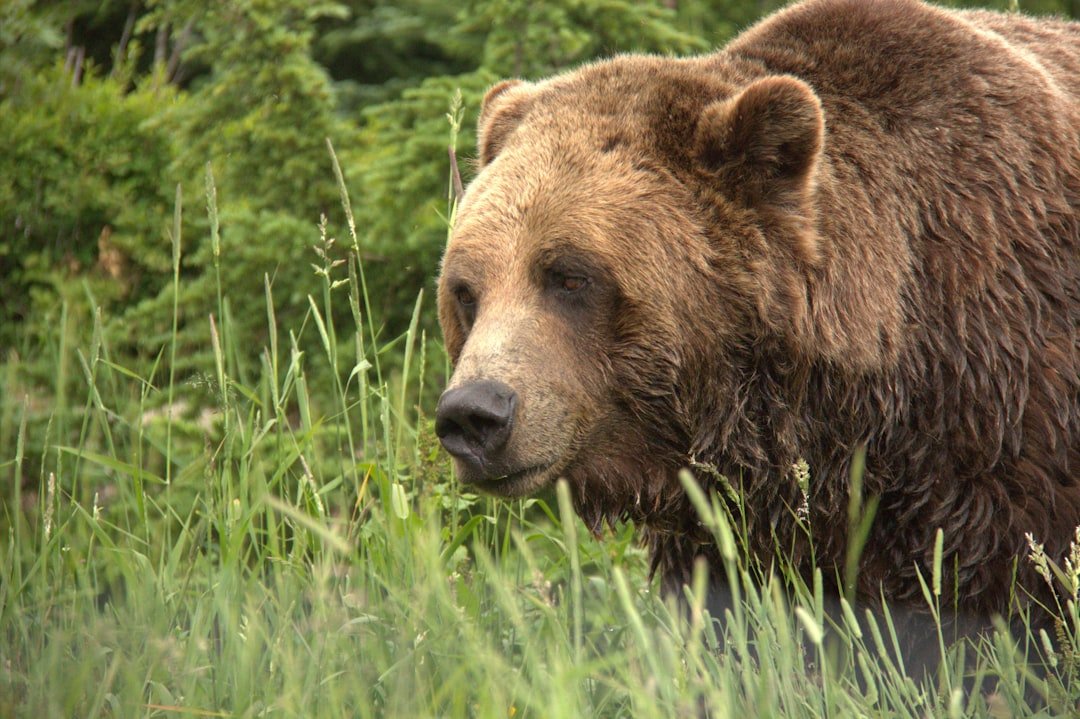
Everyone knows the grizzly bear delisting controversy—ranchers versus environmentalists, state management versus federal control, livestock losses versus species recovery. But most folks have forgotten we already fought this exact battle in the Southeast, and it wasn’t over bears.
American alligators were listed as endangered in 1967 after decades of unregulated hunting nearly wiped them out. By 1987, populations had recovered so dramatically that Fish and Wildlife Service removed them from the endangered list. Sounds like a conservation success story, right? It was—until gators started showing up in suburban retention ponds, farm canals, and backyard swimming pools.
When Success Breeds Conflict With Property Owners
The comparison to today’s grizzly debate is uncanny. As gator numbers exploded across Florida, Louisiana, Georgia, and the Carolinas, human-alligator encounters became routine. Pets disappeared. Livestock got taken. A few people got attacked, some fatally. Rural landowners who’d lived peacefully near waterways for generations suddenly faced prehistoric predators in their irrigation ditches.
State wildlife agencies implemented nuisance alligator programs, issuing removal permits and establishing hunting seasons. Environmentalists argued every gator killed was a threat to recovery gains. Property owners argued they had a right to protect their land, animals, and families without federal permission slips.
The Lesson Washington Won’t Learn
Here’s what separates the gator story from the grizzly mess: states were allowed to manage their own recovered populations. Florida didn’t need Washington bureaucrats deciding which alligators posed genuine threats. Georgia ranchers didn’t have to prove in federal court that a gator eating calves justified removal.
Gator recovery worked because delisting actually meant something. Populations stayed healthy. Conflicts got managed locally. Hunters and trappers became conservation partners, not enemies. Nobody’s proposing we re-list alligators, because state management proved it could balance conservation with property rights.
The grizzly situation shows Fish and Wildlife Service learned nothing from this. Bears remain under federal control despite meeting every recovery goal, leaving ranchers who lose livestock fighting through layers of bureaucracy for depredation permits. Meanwhile, environmental groups sue to block any state management, ensuring conflicts escalate.
The stakes are simple: either recovery goals mean delisting and local control, or the Endangered Species Act becomes a permanent federal property seizure disguised as conservation. Alligators proved the first path works. Grizzlies show what happens when Washington refuses to let go.
Key Points
- American alligators recovered and were delisted in 1987, with states successfully managing populations and human conflicts
- The gator model proves species can thrive under state management without permanent federal control
- Grizzly bears remain federally protected despite meeting recovery goals, leaving ranchers without local recourse for livestock conflicts
https://www.outdoorlife.com/survival/american-alligator-conflicts/ – September 01, 2026