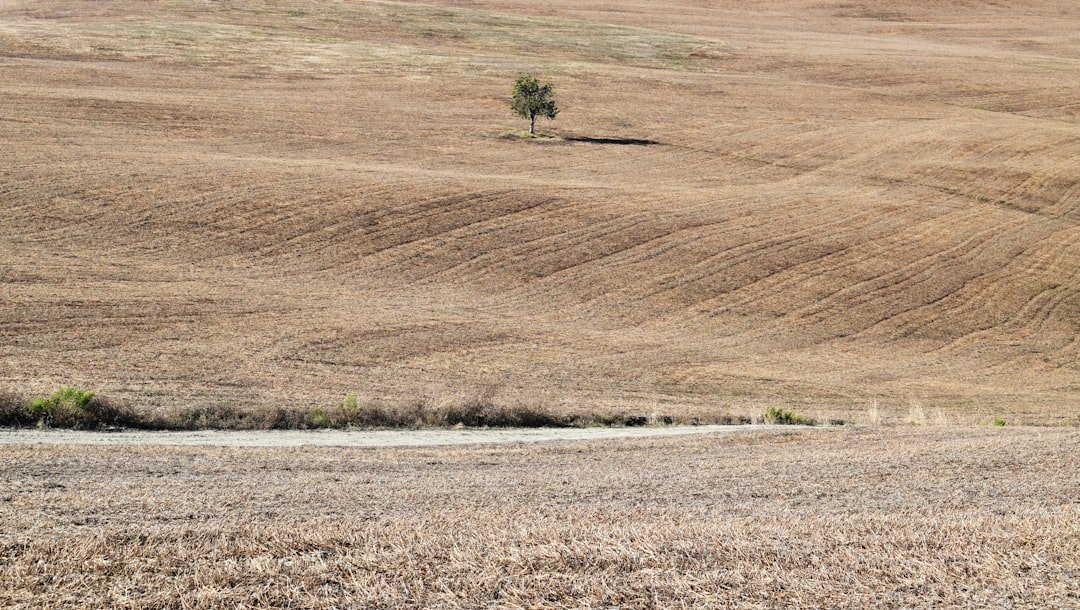
The Klamath Basin has become ground zero for a battle that’s playing out across the West: whose water comes first when there’s not enough to go around. This summer, federal regulators cut irrigation deliveries to 1,400 farms to maintain flows for endangered coho salmon and threatened suckerfish, leaving productive farmland bone-dry and multi-generation ranching families facing bankruptcy.
The Bureau of Reclamation’s order affects over 200,000 acres of cropland that’s been under irrigation since 1906. Farmers who’ve held water rights for a century are watching their fields turn to dust while water flows past their headgates to meet Endangered Species Act requirements downstream.
The Case for Protecting Fish Habitat
Biologists say the coho salmon population has crashed to critical levels, with warming water temperatures and low flows creating lethal conditions during spawning season. The suckerfish, sacred to local tribes and found nowhere else on earth, faces similar threats. Federal law requires protecting these species from extinction, even when it means hard choices about water allocation.
Environmental groups argue that decades of over-allocation created an unsustainable system. “You can’t irrigate alfalfa with water that doesn’t exist,” said one conservation attorney. “The fish were here first, and the law is clear about preventing extinction.”
What Farmers and Ranchers Are Losing
But farmers counter that their water rights predate the Endangered Species Act by 67 years. They’ve invested millions in infrastructure based on reliable water delivery, and one dry year can mean generational farms going under. Several ranching families have already sold out to corporate buyers.
“We’re not against fish,” said Dan Merkley, a fourth-generation farmer. “We’re against being sacrificed for a problem we didn’t create. Our community is dying while federal lawyers argue over sucker populations.”
The conflict has devastated the local economy. Farm supply stores have closed, agricultural workers have left seeking employment elsewhere, and the tax base supporting rural schools and hospitals has collapsed.
Where This Fight Is Headed
Similar battles are brewing in Montana’s Yellowstone Basin, Idaho’s Snake River, and throughout California’s Central Valley. As climate change tightens water supplies, the question of who gets priority—endangered species or agricultural communities—will only intensify.
At stake is whether rural America’s agricultural heritage can survive federal environmental mandates, or whether the Endangered Species Act becomes a rural economic extinction act.
Key Points
- Bureau of Reclamation cut irrigation to 1,400 farms to maintain flows for endangered coho salmon and threatened suckerfish
- Farmers with water rights dating to 1906 are losing 200,000 acres of productive cropland while facing financial ruin
- The conflict represents a growing Western crisis where Endangered Species Act requirements clash with agricultural water rights and rural community survival
Aporia News – August 26, 2026