
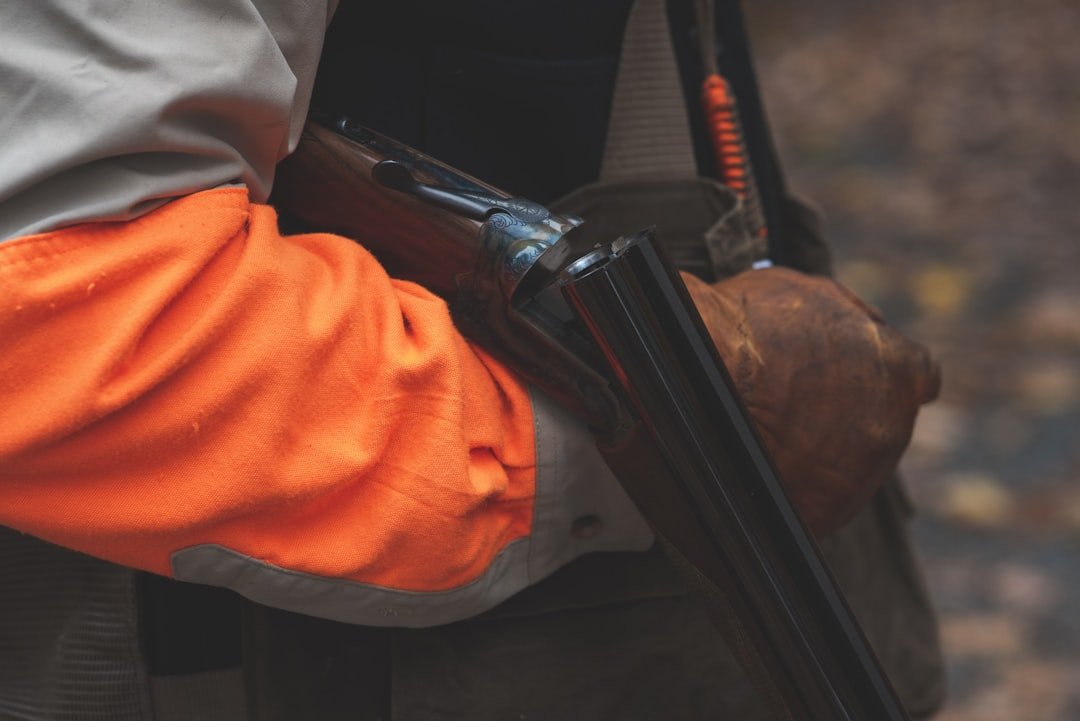
The U.S. Fish and Wildlife Service is moving forward with expanded restrictions on lead ammunition across federal lands, citing waterfowl mortality studies that show lead poisoning kills an estimated 10-20 million birds annually. The phased implementation, beginning January 2027, will eventually require non-lead ammunition for all hunting on National Wildlife Refuges and potentially other federal properties—affecting millions of hunters who’ve used traditional lead bullets and shot for generations.
Conservation groups call it a long-overdue public health measure. Hunting rights organizations call it a backdoor attack on the Second Amendment and rural traditions.
The Conservation Case for Banning Lead
Federal wildlife officials point to decades of research showing lead fragments from spent ammunition poison eagles, condors, and other scavengers that feed on gut piles and unretrieved game. California condors, whose recovery has cost taxpayers over $35 million, continue dying from lead ingestion despite intensive management efforts. Studies from the Peregrine Fund document elevated lead levels in 75% of tested bald eagles during hunting season.
Waterfowl hunters have used steel shot instead of lead since 1991, a transition that reduced waterfowl lead poisoning deaths by 64% according to Fish and Wildlife data. Proponents argue extending the same standard to upland game and big game hunting is a logical next step with proven conservation benefits.
Why Hunters See Federal Overreach
Sportsmen’s groups counter that non-lead alternatives cost two to three times more than traditional ammunition—a significant burden for working-class hunters already struggling with inflation. A box of premium copper bullets can run $50-70 compared to $20-25 for lead core ammunition. For families who depend on wild game to fill their freezers, that’s not a trivial expense.
Beyond cost, many hunters question whether the government should dictate ammunition choices on the 20% of American land it controls. The National Shooting Sports Foundation argues states are better positioned to make science-based decisions for their specific wildlife populations. Several Western states have rejected lead bans after reviewing local data.
What’s Actually at Stake
The deeper conflict isn’t really about lead versus copper—it’s about who decides how Americans use public lands they already own. Federal agencies increasingly favor regulatory solutions over voluntary conservation partnerships that built modern wildlife management. Whether you see this as necessary protection for threatened species or creeping federal control over rural life depends largely on whether you trust Washington to balance competing interests fairly.
The comment period closes in October. What happens next will shape hunting access for the next generation.
Key Points
- Fish and Wildlife Service requiring non-lead ammunition on federal lands starting January 2027
- Conservation groups cite 10-20 million birds killed annually by lead poisoning from spent ammunition
- Hunters protest the 2-3x higher cost of copper alternatives and federal overreach into ammunition choices
Aporia News – August 27, 2026